Electric Vehicles

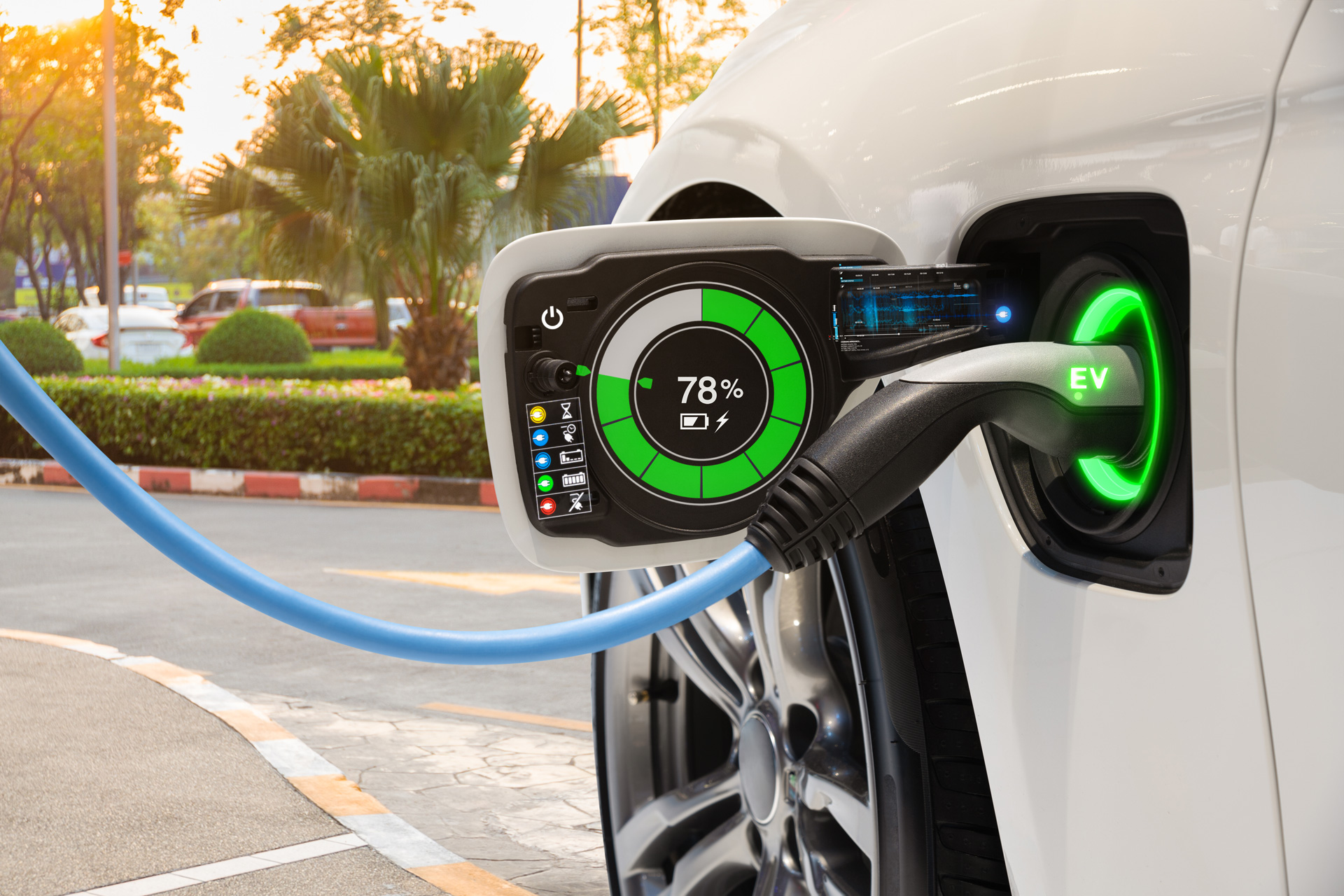
Electric vehicles offer zero tailpipe emissions, more energy-efficient motors, lower fuel and maintenance costs, less dependence on fossil fuels and regenerative braking. Their main drawbacks are a shorter driving range, limited charging infrastructure in some areas, longer charging times, higher upfront costs and battery degradation over time.
Electric vehicles (EVs) have gained popularity in recent years as sustainable and environmentally friendly alternatives to traditional internal combustion engine vehicles. They offer several advantages, but also face challenges that need to be considered. Below are the pros and cons of electric vehicles, along with examples illustrating each point:
Pros of Electric Vehicles:
1. Environmental Benefits:
- Pro: EVs produce zero tailpipe emissions, reducing air pollution and greenhouse gas emissions.
- Example: A Tesla Model 3, powered by electricity, emits no pollutants during operation, contributing to cleaner air and a healthier environment.
2. Energy Efficiency:
- Pro: Electric motors are more energy-efficient than internal combustion engines, resulting in lower energy consumption per mile traveled.
- Example: A Nissan Leaf can travel approximately 3-4 miles per kWh of electricity, making it more energy-efficient than most gasoline-powered vehicles.
3. Lower Operating Costs:
- Pro: EVs have lower fuel and maintenance costs compared to gasoline-powered vehicles, resulting in long-term savings for owners.
- Example: A Chevrolet Bolt owner saves an estimated $800-$1,000 per year on fuel and maintenance costs compared to a similar-sized gasoline car.
4. Reduced Dependence on Fossil Fuels:
- Pro: By using electricity as a fuel source, EVs reduce dependence on fossil fuels and contribute to energy diversification.
- Example: The adoption of electric buses in cities like Shenzhen, China, reduces reliance on diesel fuel and contributes to efforts to combat air pollution and reduce greenhouse gas emissions.
5. Regenerative Braking:
- Pro: Electric vehicles utilize regenerative braking technology, which captures energy during braking and stores it in the battery for later use, increasing efficiency and extending driving range.
- Example: A Tesla Model S recovers kinetic energy during deceleration and braking, contributing to increased energy efficiency and improved driving range.
Cons of Electric Vehicles:
1. Limited Driving Range:
- Con: EVs often have shorter driving ranges compared to gasoline-powered vehicles, which can limit their suitability for long-distance travel.
- Example: The Hyundai Kona Electric has a maximum range of approximately 258 miles on a single charge, which may not be sufficient for some drivers' needs.
2. Charging Infrastructure Challenges:
- Con: The availability of charging infrastructure, especially fast-charging stations, may be limited in some areas, leading to range anxiety and inconvenience for EV owners.
- Example: A driver in a rural area may face challenges finding a fast-charging station for their electric vehicle, limiting their ability to travel long distances.
3. Longer Charging Times:
- Con: EVs typically require longer charging times compared to refueling gasoline vehicles, which can be inconvenient for drivers, especially on long trips.
- Example: Charging a Nissan Leaf from empty to full using a Level 2 charger can take approximately 8-10 hours, compared to a few minutes to refuel a gasoline car.
4. Higher Upfront Costs:
- Con: Electric vehicles tend to have higher upfront purchase costs compared to equivalent gasoline-powered vehicles, which can deter some consumers from making the switch.
- Example: A Tesla Model X may have a higher initial purchase price than a similarly equipped luxury SUV powered by an internal combustion engine.
5. Battery Degradation and Recycling:
- Con: Lithium-ion batteries used in EVs can degrade over time, leading to reduced driving range and performance, and pose challenges for recycling and disposal.
- Example: Over time, the battery capacity of a Chevrolet Bolt may degrade, resulting in decreased driving range and the need for battery replacement or refurbishment.
Frequently asked questions
Are electric vehicles cheaper to run than gasoline cars?
Generally yes: EVs have lower fuel and maintenance costs. The article's example is a Chevrolet Bolt owner saving an estimated $800–1,000 a year compared to a similar-sized gasoline car, although EVs tend to cost more to buy.
How long does it take to charge an electric car?
Longer than refueling a gasoline car. For example, charging a Nissan Leaf from empty to full with a Level 2 charger can take about 8–10 hours, compared to a few minutes at the pump.
How far can an electric car go on a single charge?
Range is usually shorter than that of gasoline vehicles: the Hyundai Kona Electric, for instance, has a maximum range of about 258 miles, which may not be enough for some drivers, especially where fast chargers are scarce.
What is regenerative braking?
A technology that captures energy during braking and deceleration and stores it in the battery for later use, increasing efficiency and extending the driving range.
Do electric car batteries wear out?
Yes. Lithium-ion batteries can degrade over time, reducing range and performance and possibly requiring replacement or refurbishment; they also pose challenges for recycling and disposal.