Routes optimizations

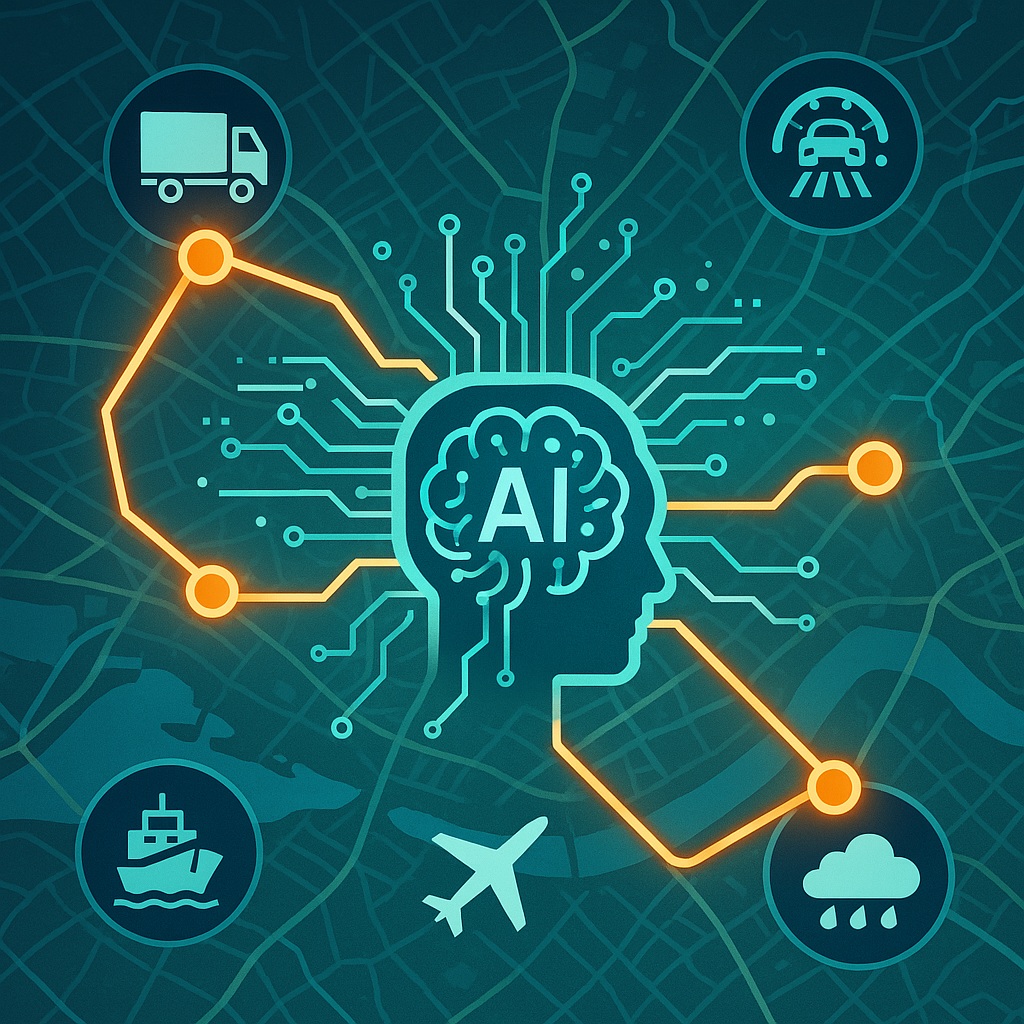
AI route optimization uses artificial intelligence algorithms to analyze data such as traffic patterns, vehicle capacities and delivery schedules and plan the most efficient routes. Delivery services, public transport agencies, fleet operators and field service teams use it to cut travel time and fuel costs, make better use of their resources and improve customer satisfaction.
Route Optimization through Artificial Intelligence in Transport
Route optimization powered by AI has transformed transportation and logistics operations, allowing companies to streamline delivery routes, reduce fuel consumption and improve overall efficiency. By leveraging artificial intelligence (AI) algorithms, businesses can analyze complex data sets, including traffic patterns, vehicle capacities and delivery schedules, to optimize routes and maximize resource utilization. This paper explores the application of AI route optimization in transportation, provides examples of route optimization use cases, and suggests relevant software solutions.
Application of AI Route Optimization:
Delivery Services: AI route optimization is widely used in delivery services, such as package delivery, food delivery, and courier services. By analyzing delivery locations, order volumes and traffic conditions, AI algorithms can optimize delivery routes to reduce travel time, reduce fuel costs and improve delivery efficiency.
Public transport: Transit agencies use AI route optimization to improve the efficiency of bus routes, train schedules and other transportation services. By analyzing passenger demand, traffic congestion and service coverage, AI algorithms can optimize public transport routes to reduce waiting times, increase passenger satisfaction and maximize system capacity.
Fleet Management: Companies with fleets of vehicles, such as trucking companies, taxi services, and ride-sharing platforms, use AI route optimization to optimize vehicle routes and schedules. By analyzing vehicle capabilities, driver availability and customer demand, AI algorithms can optimize fleet operations to reduce downtime, improve asset utilization and increase profitability.
Field Services Management: Organizations with field service teams, such as maintenance technicians, repair technicians, and service engineers, use AI route optimization to optimize service routes and schedules. By analyzing service requests, technician availability and travel times, AI algorithms can optimize field service operations to reduce travel costs, improve service response times and increase customer satisfaction.
Examples of Route Optimization via AI
Last Mile Delivery Optimization: Delivery companies use AI route optimization to optimize last-mile delivery routes, reducing travel distances and maximizing delivery efficiency. By analyzing delivery locations, traffic conditions and delivery windows, AI algorithms can optimize delivery routes to ensure timely and cost-effective deliveries.
Dynamic Ride-Sharing Optimization: Ride-sharing platforms use AI route optimization to match passengers with drivers and optimize ride-sharing routes in real time. By analyzing passenger requests, driver availability and traffic conditions, AI algorithms can optimize ride-sharing routes to reduce diversions, reduce waiting times and improve passenger satisfaction.
Optimization of truck routes: Trucking companies use AI route optimization to optimize truck routes and schedules, reducing fuel costs and improving delivery efficiency. By analyzing delivery locations, vehicle capacities and traffic conditions, AI algorithms can optimize truck routes to reduce travel distances, reduce congestion and maximize delivery capacity.
Optimization of the Public Transport Network: Public transport agencies use AI route optimization to optimize public transport routes and schedules, improving service efficiency and passenger satisfaction. By analyzing passenger demand, traffic patterns and service coverage, AI algorithms can optimize public transport routes to reduce waiting times, increase frequency and improve system reliability.
Frequently asked questions
What is AI route optimization?
It is the use of artificial intelligence algorithms to plan vehicle routes and schedules. The algorithms analyze complex data sets, such as traffic patterns, vehicle capacities and delivery schedules, to optimize routes and maximize resource utilization.
Which sectors use AI route optimization?
The main ones are delivery services (packages, food, couriers), public transport, fleet management (trucking companies, taxi services, ride-sharing platforms) and field service teams such as maintenance and repair technicians.
What data do route optimization algorithms analyze?
It depends on the use case: delivery locations, order volumes, delivery windows and traffic conditions for deliveries; passenger demand and service coverage for public transport; vehicle capabilities, driver availability and customer demand for fleets; service requests and technician availability for field services.
How does AI improve last-mile delivery?
By analyzing delivery locations, traffic conditions and delivery windows, AI algorithms shorten travel distances and plan routes that deliver on time and at lower cost.
What are the benefits for public transport?
Transit agencies use it to optimize bus routes and train schedules based on passenger demand, traffic and service coverage. The result is shorter waiting times, higher frequency, more reliable service and more satisfied passengers.