Agriculture: monitoring system

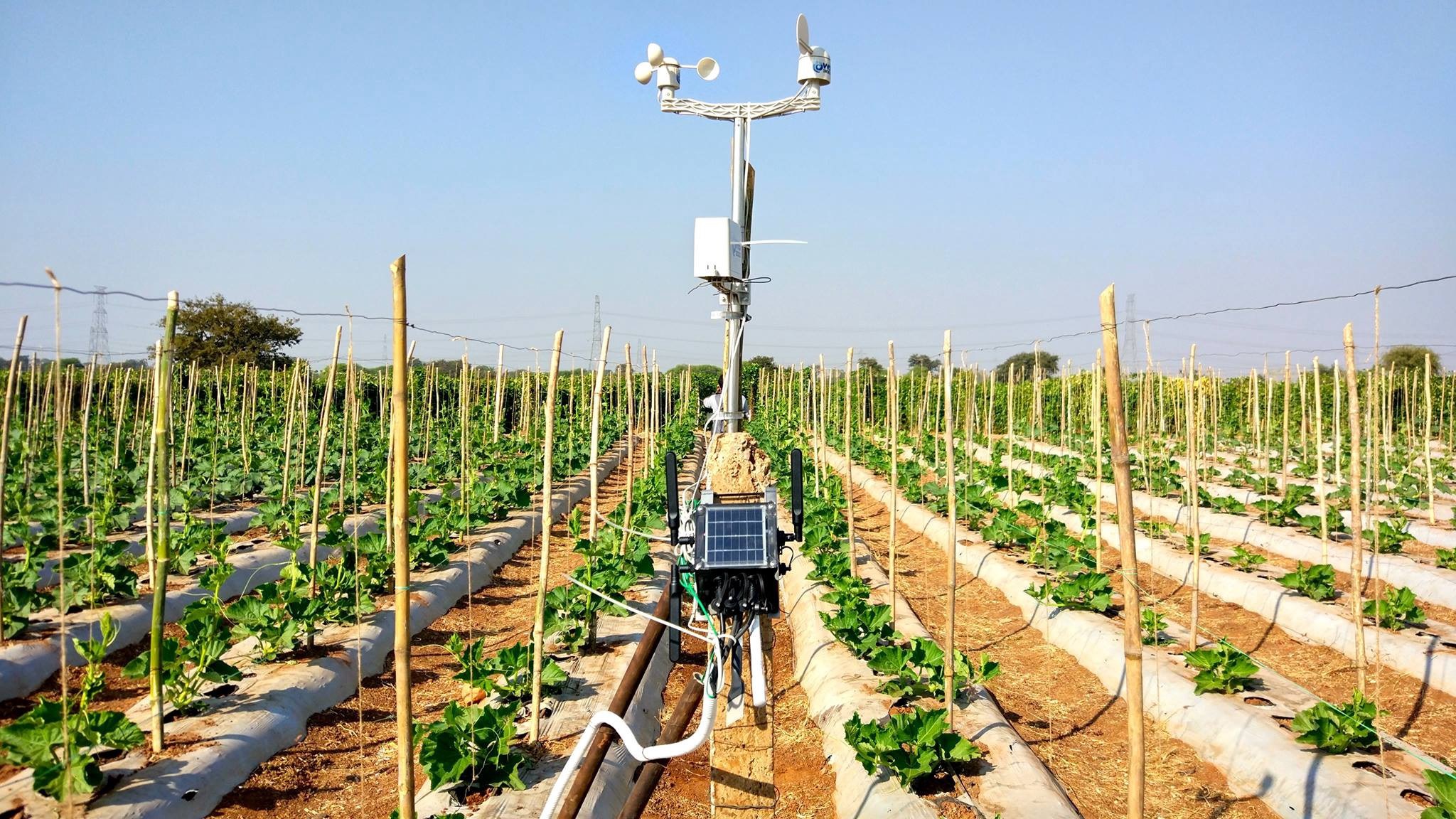
Warning systems in agriculture monitor environmental conditions, plant diseases, pests and adverse weather, and alert farmers in time to make informed decisions, improve productivity and reduce losses. They are typically built on weather data APIs such as OpenWeatherMap, machine learning models that predict the spread of plant diseases, and Agricultural Decision Support Systems (ADSS) that turn field data into recommendations.
Warning and monitoring systems in Agriculture
Warning systems in agriculture play a fundamental role in monitoring environmental conditions, plant diseases, pests and adverse weather conditions. These systems provide farmers with timely and relevant information to make informed decisions regarding agricultural practices, improving productivity and reducing losses. In this paper, we will explore the software used to develop warning systems in agriculture and provide some examples of such systems.
Software for Warning Systems in Agriculture
1. OpenWeatherMap API
- Description: OpenWeatherMap provides global weather data through an API that can be integrated into agricultural warning systems.
- Main features:
- Provides real-time weather data and long-term forecasts.
- Includes detailed information such as temperature, humidity, wind speed, precipitation and more.
- Use: Integration with warning systems to alert farmers in case of adverse weather conditions.
2. Crop Disease Prediction using Machine Learning
- Description: This software uses machine learning algorithms to predict the spread of plant diseases based on historical and current data.
- Main features:
- Analyze data relating to environmental conditions, crop type and previous disease attacks.
- Identify patterns and correlations to predict the spread of plant diseases.
- Use: Alerts farmers in advance of potential plant disease outbreaks, allowing them to take preventative measures.
3. Agricultural Decision Support Systems (ADSS)
- Description: ADSS are systems that integrate data from various sources to support agricultural decisions.
- Main features:
- They collect and analyze weather data, soil data, crop data and more.
- They provide personalized recommendations to farmers based on local conditions.
- Use: Helps farmers plan agricultural operations efficiently and mitigate climate-related and plant disease risks.
Examples of Warning Systems in Agriculture
1. Early Warning System for Plant Diseases
- Description: This system integrates weather data, crop data and predictive models to warn farmers in advance of the possible spread of plant diseases.
- Functionality:
- Constantly monitor environmental conditions and crop health.
- It uses machine learning algorithms to predict the spread of specific diseases.
- Send alerts to farmers via SMS or mobile app.
- Benefits: Reduces losses caused by plant diseases and optimizes the use of pesticides.
2. Weather Alert System for Precision Agriculture
- Description: This system uses real-time weather data and forecast models to alert farmers to adverse weather events that could affect their crops.
- Functionality:
- Integrates data from local weather sensors and the OpenWeatherMap API.
- Provides timely alerts about sudden rain, hail, frost and other critical weather events.
- Recommends preventive actions to take to protect crops.
- Benefits: Minimizes damage caused by extreme weather events and optimizes agricultural practices.
Frequently asked questions
What does an agricultural warning system monitor?
It monitors environmental conditions, plant diseases, pests and adverse weather conditions. Farmers get timely information to make decisions on agricultural practices, improve productivity and reduce losses.
How is OpenWeatherMap used in agricultural alert systems?
OpenWeatherMap provides real-time weather data and long-term forecasts through an API, including temperature, humidity, wind speed and precipitation. Integrated into a warning system, it alerts farmers in case of adverse weather conditions.
How does machine learning predict plant diseases?
Machine learning algorithms analyze historical and current data on environmental conditions, crop type and previous disease attacks, looking for patterns and correlations. The system can then warn farmers in advance of potential outbreaks so they can take preventive measures.
What is an Agricultural Decision Support System (ADSS)?
An ADSS integrates weather, soil and crop data from various sources and provides personalized recommendations based on local conditions. It helps farmers plan operations efficiently and mitigate climate-related and plant disease risks.
How do farmers receive the alerts?
In the early warning system for plant diseases described above, alerts are sent to farmers via SMS or mobile app.