Agriculture: Smart Farming

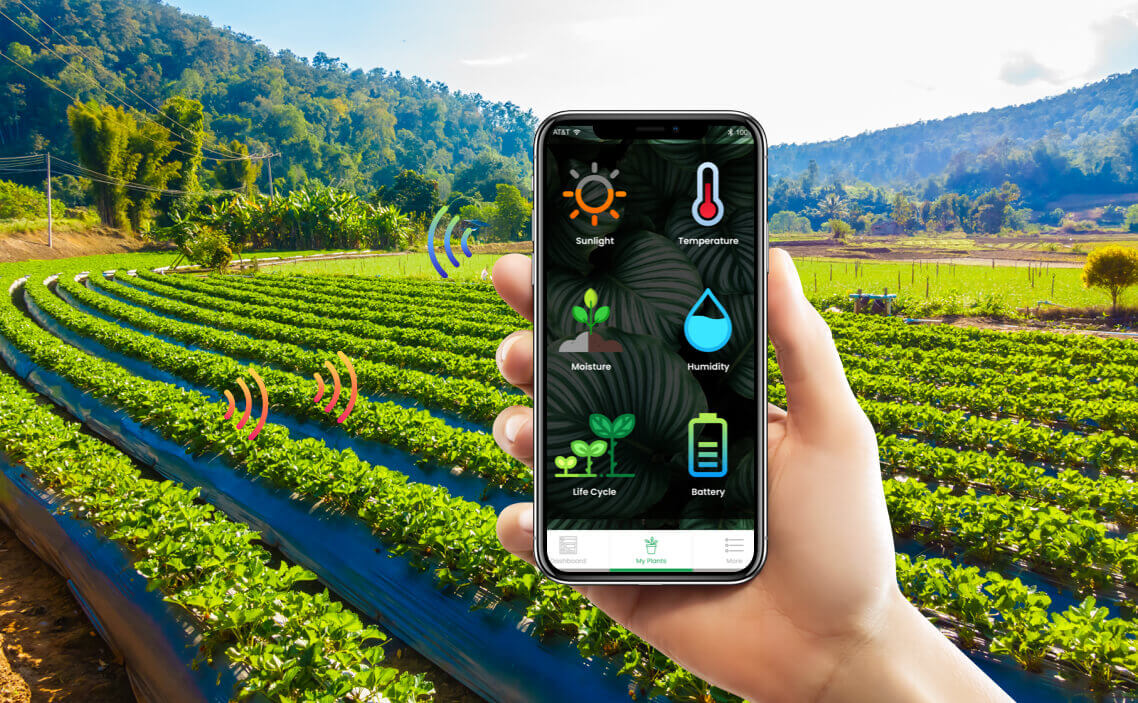
Smart farming uses software, IoT sensors and data analytics to optimize farming practices, improve productivity, reduce costs and mitigate environmental impacts. Software collects and analyzes real-time data from sensors and machinery to manage farm data, monitor crop conditions, optimize the use of water, fertilizers and pesticides, and forecast yields and plant diseases.
Smart Farming Revolution: Software, Examples and New Ideas
Smart farming, or intelligent agriculture, is revolutionizing the agricultural sector through the innovative use of technology. This modern approach to farming uses advanced software, IoT (Internet of Things) sensors, data analytics and other technologies to optimize farming practices, improve productivity, reduce costs and mitigate environmental impacts. In this article, we will explore the key role of software in smart farming, provide examples of successful implementations, and discuss new ideas to further improve this agricultural revolution.
The Role of Software in Smart Farming
Software plays a vital role in smart farming, allowing farmers to collect, analyze and use real-time data to make informed decisions. The main software features in smart farming include:
1. Agricultural Data Management
- Collection and storage of data from sensors, agricultural machinery and other sources
- Efficiently organize and manage agricultural data to enable in-depth analysis
2. Monitoring of Crop Conditions
- Using IoT sensors to monitor plant growth, soil quality, humidity and other key parameters
- Data analysis to identify trends and anomalies in crop conditions
3. Resource Optimization
- Optimize the use of water, fertilizers and pesticides through data-driven dosing systems
- Monitoring energy consumption and optimizing the use of agricultural machinery
4. Forecasting and Planning
- Using predictive models based on historical and current data to predict crop yields, plant diseases and other factors
- Planning agricultural activities based on forecasts to maximize yields and reduce risks
Examples of Software-based Smart Farming
1. Precision Agriculture
Precision agriculture uses detailed data on soil and crop conditions to tailor agricultural practices in a targeted manner. Precision agriculture software integrates data from sensors, drones and satellite images to optimize irrigation, fertilization and disease management.
2. Livestock Management
Livestock management software allows farmers to monitor animal welfare, milk and meat production and health parameters in real time. These systems improve productivity and animal welfare through continuous monitoring and proactive management.
3. Monitoring of Plant Diseases
Plant disease monitoring systems use weather data, satellite imagery and image analysis to identify early signs of disease and pests in crops. This allows farmers to intervene quickly to prevent the spread of diseases and limit damage to crops.
New Ideas to Improve Smart Farming
1. Artificial Intelligence for the Diagnosis of Plant Diseases
Using artificial intelligence algorithms to analyze plant images could enable faster and more accurate diagnosis of diseases. This would help farmers make timely decisions on the use of plant protection treatments and crop management.
2. Blockchain for Food Traceability
Integrating blockchain technology into smart farming could ensure greater transparency and traceability throughout the entire food supply chain. This would allow consumers to access detailed information on the provenance and quality of food.
3. Vertical and Indoor Agriculture
The adoption of advanced software for vertical and indoor farming could revolutionize food production in urban areas. The use of automated environmental control systems and data analytics could enable the efficient cultivation of crops in limited spaces, reducing dependence on food imports.
Frequently asked questions
What is smart farming?
Smart farming, or intelligent agriculture, applies advanced software, IoT sensors, data analytics and other technologies to agriculture. The goal is to optimize farming practices, improve productivity, reduce costs and mitigate environmental impacts.
What does software do in smart farming?
It lets farmers collect, analyze and use real-time data to make informed decisions. Its main functions are agricultural data management, crop condition monitoring, resource optimization, and forecasting and planning.
How do IoT sensors help monitor crops?
IoT sensors monitor plant growth, soil quality, humidity and other key parameters. Analyzing that data helps identify trends and anomalies in crop conditions.
What are examples of software-based smart farming?
Precision agriculture, which combines data from sensors, drones and satellite images to optimize irrigation, fertilization and disease management; livestock management software that tracks animal welfare, production and health parameters in real time; and plant disease monitoring systems that spot early signs of disease and pests.
What new ideas could improve smart farming?
Artificial intelligence to diagnose plant diseases from images, blockchain for food traceability along the supply chain, and advanced software for vertical and indoor farming in urban areas.