14 posts tagged with "Automotive"

Technology for the automotive sector: connected vehicles, software for mobility services and data from cars and vans.

View All Tags

Fuel and Energy

· 7 min read

Gianmaria Meriano
Mative CEO & Founder
Hydrogen storage tanks beside wind turbines and solar panels

The main alternatives to fossil fuels are electric vehicles, biofuels and hydrogen fuel cells, each needing its own infrastructure and technology to spread. Petroleum, coal and natural gas remain widely used, and their impact can be reduced with fuel efficiency standards, hybrid vehicles, carbon capture and storage, renewable natural gas and a shift to clean energy.

Keyless Systems

· 4 min read
Gianmaria Meriano
Mative CEO & Founder
Smartphone app with lock and unlock buttons held next to a parked car

Keyless systems let users enter buildings, vehicles and other assets without physical keys, authenticating them with technologies such as biometrics, RFID and mobile apps. This article looks at three examples: Kisi, cloud-based access control for offices; Openpath, hands-free access with mobile credentials and Bluetooth; and August Smart Lock, keyless entry for homes.

Machine Learning and Automotive

· 2 min read
Gianmaria Meriano
Mative CEO & Founder
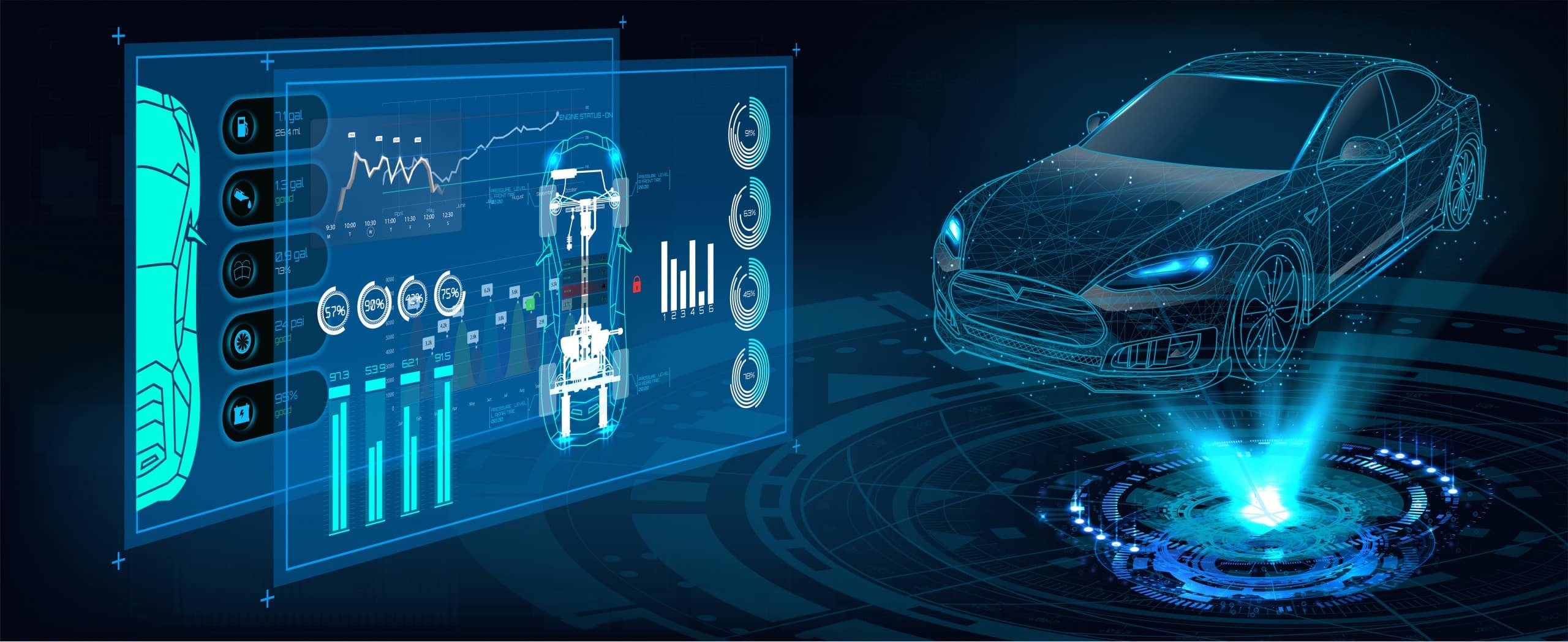
Holographic car model beside a dashboard of fuel, tire pressure and battery data

In the automotive sector, machine learning helps manage connected vehicle fleets: algorithms learn to detect significant events, monitor vehicle conditions in real time to predict failures before they occur, and forecast demand to optimize the distribution of shared vehicles. The result is less downtime, lower repair costs, shorter waiting times for users and more efficient operations.

Anomalies detection

· 5 min read
Gianmaria Meriano
Mative CEO & Founder
One yellow umbrella standing out among many dark umbrellas, a metaphor for an anomaly

Anomaly detection with machine learning means using models that analyze vehicle and production data, such as sensor readings, network traffic and driving data, to spot deviations that can signal a failure, a malfunction or a security threat. In the automotive industry it supports predictive maintenance, quality control, cybersecurity and driver behavior monitoring, and it keeps engines, tires and batteries under control before small issues become costly repairs.