Keyless Systems

· 4 min read

Gianmaria Meriano
Mative CEO & Founder
Smartphone app with lock and unlock buttons held next to a parked car

Keyless systems let users enter buildings, vehicles and other assets without physical keys, authenticating them with technologies such as biometrics, RFID and mobile apps. This article looks at three examples: Kisi, cloud-based access control for offices; Openpath, hands-free access with mobile credentials and Bluetooth; and August Smart Lock, keyless entry for homes.

Machine Learning and Automotive

· 2 min read
Gianmaria Meriano
Mative CEO & Founder
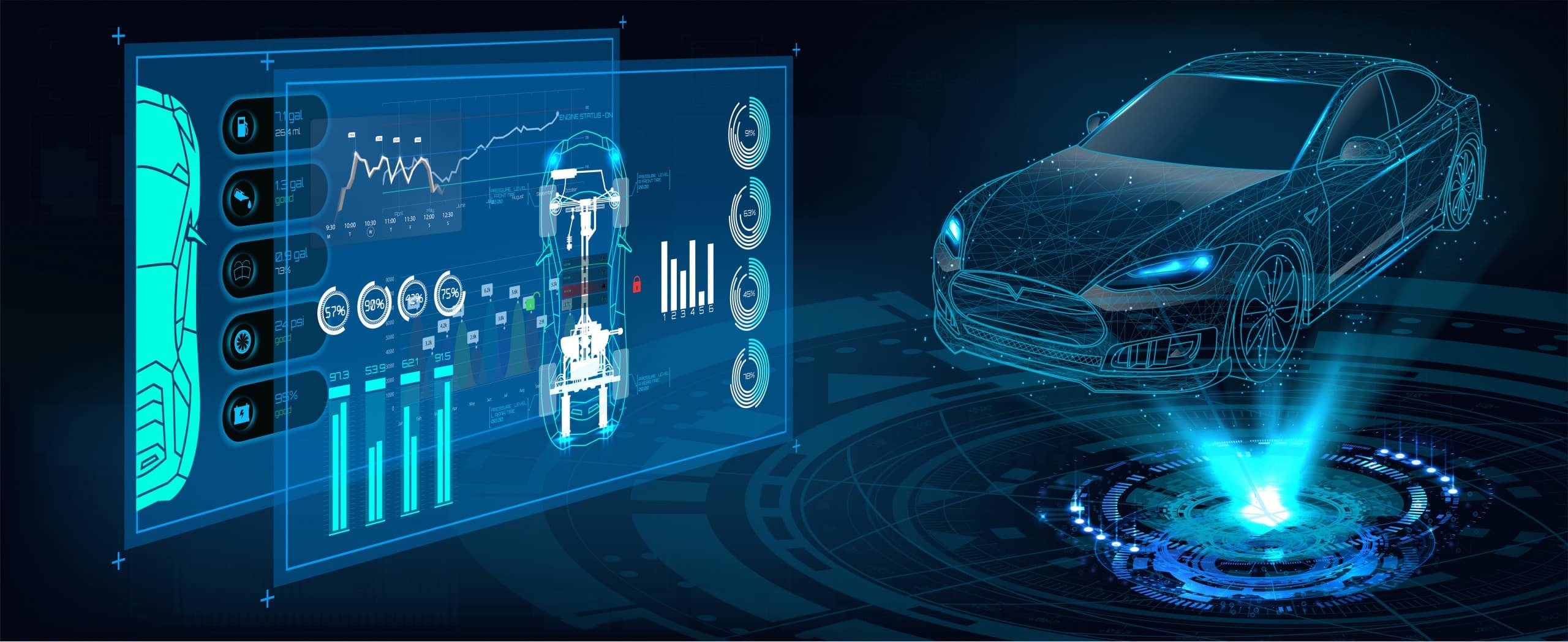
Holographic car model beside a dashboard of fuel, tire pressure and battery data

In the automotive sector, machine learning helps manage connected vehicle fleets: algorithms learn to detect significant events, monitor vehicle conditions in real time to predict failures before they occur, and forecast demand to optimize the distribution of shared vehicles. The result is less downtime, lower repair costs, shorter waiting times for users and more efficient operations.

Machine Learning for Smart Industry

· 2 min read
Gianmaria Meriano
Mative CEO & Founder
Circuit brain surrounded by icons for data, analytics, cloud, networks and automation

In smart industry, machine learning analyzes data from IoT sensors and production processes to predict maintenance needs and failure risks, optimize logistics and supply chains, automate industrial processes and make quality control more rigorous and immediate. Instead of relying on periodic maintenance, companies prevent sudden failures and production stops, and by combining machine learning with Digital Twins they can test products and services efficiently while reducing errors.

Routes optimizations

· 5 min read
Gianmaria Meriano
Mative CEO & Founder
AI head on a city map linking routes to transport, traffic and weather icons

AI route optimization uses artificial intelligence algorithms to analyze data such as traffic patterns, vehicle capacities and delivery schedules and plan the most efficient routes. Delivery services, public transport agencies, fleet operators and field service teams use it to cut travel time and fuel costs, make better use of their resources and improve customer satisfaction.

Anomalies detection

· 5 min read
Gianmaria Meriano
Mative CEO & Founder
One yellow umbrella standing out among many dark umbrellas, a metaphor for an anomaly

Anomaly detection with machine learning means using models that analyze vehicle and production data, such as sensor readings, network traffic and driving data, to spot deviations that can signal a failure, a malfunction or a security threat. In the automotive industry it supports predictive maintenance, quality control, cybersecurity and driver behavior monitoring, and it keeps engines, tires and batteries under control before small issues become costly repairs.

MQTT Advanced

· 7 min read
Gianmaria Meriano
Mative CEO & Founder
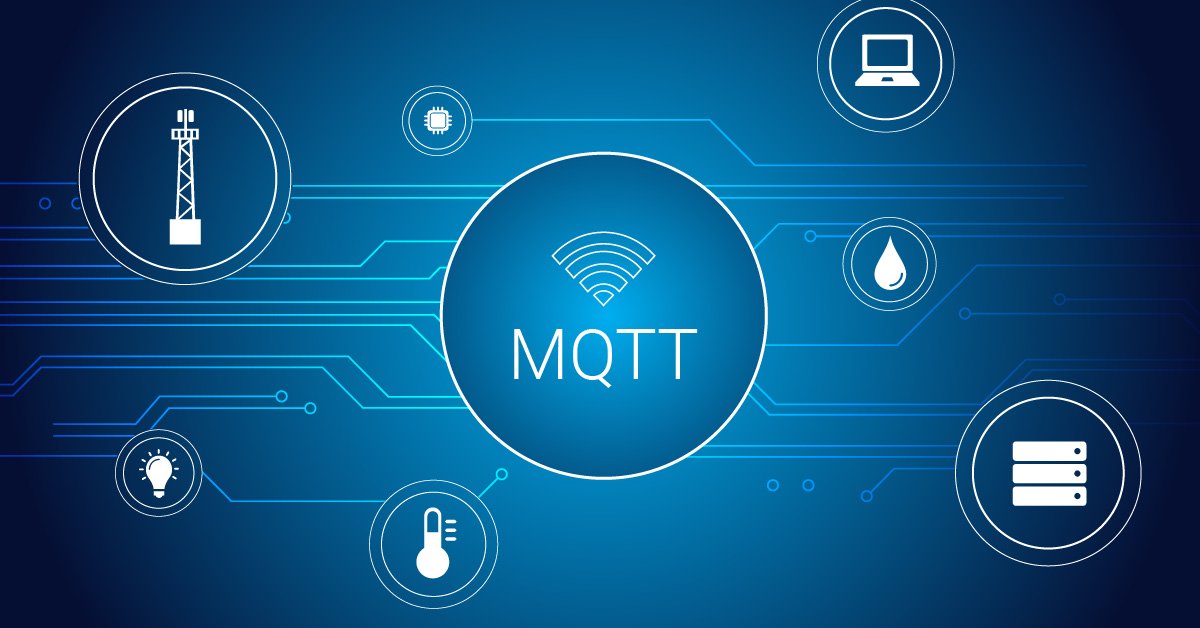
MQTT protocol linking IoT sensors, a cell tower, a laptop and a server

MQTT is a lightweight, binary, data-centric publish/subscribe protocol: unlike HTTP, AMQP or REST, it pushes messages over persistent TCP connections with minimal packet overhead. This article compares MQTT with those protocols and explains its advanced features, from Clean Start, Keep Alive and Last Will to QoS levels, retained messages, shared subscriptions and topic aliases.

MQTT Basics

· 5 min read
Gianmaria Meriano
Mative CEO & Founder
MQTT protocol linking IoT sensors, a cell tower, a laptop and a server

MQTT is a lightweight publish/subscribe messaging protocol for the Internet of Things: clients publish messages on topics, and a central broker filters them and pushes them to the clients subscribed to those topics. It needs minimal bandwidth, copes with unreliable networks and is easy to implement, which makes it a leading choice for machine-to-machine (M2M) communication between constrained devices and server applications.