5 posts tagged with "IoT protocols"

The protocols that move IoT data: MQTT, CAN bus, OCPP and the industrial protocols used to connect machines.

View All Tags

Open Charge Point Protocol (OCPP): comprehensive overview

· 10 min read

Gianmaria Meriano
Mative CEO & Founder
Electric car plugged into a public charging station on a city street

The Open Charge Point Protocol (OCPP) is the open standard, introduced in 2009 by the Open Charge Alliance, that lets EV charging stations and central management systems (CSMS) communicate regardless of manufacturer. It uses an asynchronous request/response model over WebSocket, supports smart charging and offline operation, and is today the de facto standard in Europe and North America, with OCPP 1.6 the most widely deployed version and 2.0.1 the latest.

Industrial IoT and solutions by Mative

· 4 min read
Gianmaria Meriano
Mative CEO & Founder
Automated production line assembling a white window frame in a factory

Industrial IoT (IIoT) connects machines, sensors and management systems in a continuous, real-time data flow that companies use to monitor performance, detect imminent failures and reduce downtime. Mative Cloud is Mative's IIoT platform: independent of hardware, it collects and stores device data in the cloud, runs remote commands and over-the-air firmware updates, creates intelligent alerts and integrates PLC plants through protocols such as MQTT, Modbus, OPC UA and CANopen.

CAN Bus explained: how it works, CAN frames and how to decode the data

· 16 min read
Gianmaria Meriano
Mative CEO & Founder
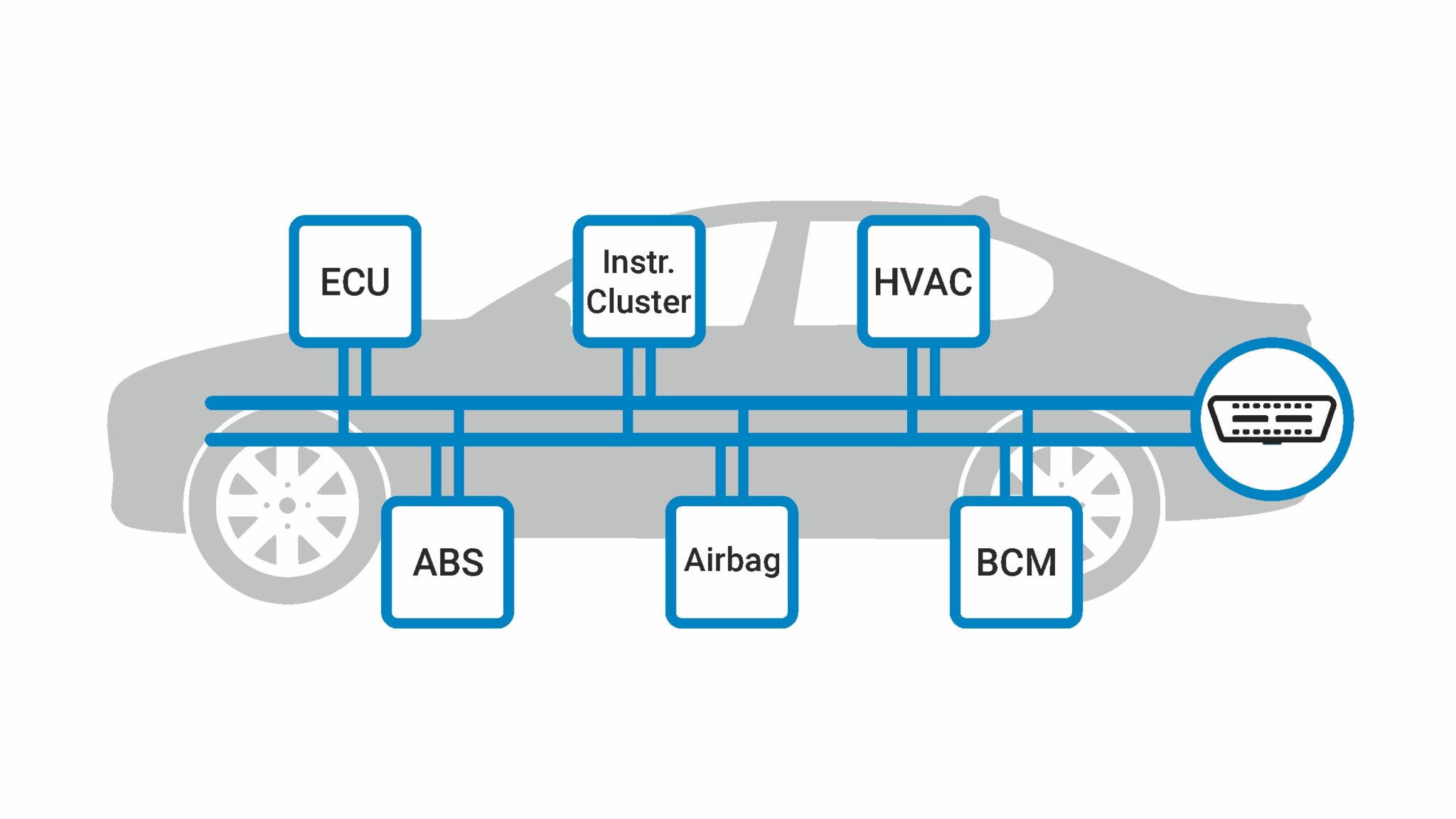
Car CAN bus linking ECU, ABS, airbag and other control units to the OBD port

The CAN bus is a two-wire network (CAN low and CAN high) that lets every electronic control unit (ECU) of a vehicle or machine communicate with all the others, without complex dedicated wiring. Data travels in CAN frames, each with a CAN ID and a data payload: to use it you connect a CAN logger (in most cars through the OBD2 port) and decode the raw frames into physical values such as km/h or °C.

MQTT Advanced

· 7 min read
Gianmaria Meriano
Mative CEO & Founder
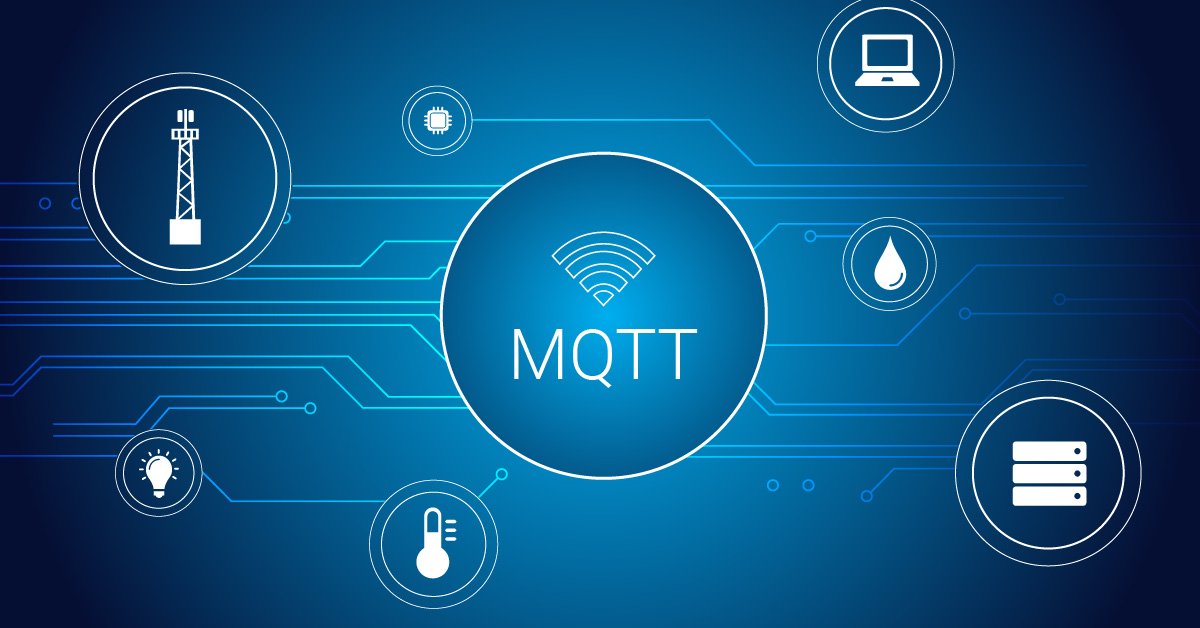
MQTT protocol linking IoT sensors, a cell tower, a laptop and a server

MQTT is a lightweight, binary, data-centric publish/subscribe protocol: unlike HTTP, AMQP or REST, it pushes messages over persistent TCP connections with minimal packet overhead. This article compares MQTT with those protocols and explains its advanced features, from Clean Start, Keep Alive and Last Will to QoS levels, retained messages, shared subscriptions and topic aliases.

MQTT Basics

· 5 min read
Gianmaria Meriano
Mative CEO & Founder
MQTT protocol linking IoT sensors, a cell tower, a laptop and a server

MQTT is a lightweight publish/subscribe messaging protocol for the Internet of Things: clients publish messages on topics, and a central broker filters them and pushes them to the clients subscribed to those topics. It needs minimal bandwidth, copes with unreliable networks and is easy to implement, which makes it a leading choice for machine-to-machine (M2M) communication between constrained devices and server applications.