Gianmaria Meriano
Mative CEO & Founder

Founder and CEO of Mative. A mechanical designer in Bologna, then a software developer and cloud architect in healthcare, after twelve years of work with new technologies he designed a cloud-connected OBD reader based on ESP32, the start of the Synapsis project, and founded Mative.

View all authors

Car Sharing

· 5 min read

Gianmaria Meriano
Mative CEO & Founder
Smartphone car sharing app held above a city street with shared cars

Car sharing gives people on-demand access to vehicles without owning one, through mobile apps and software platforms that handle reservations, vehicle access and payments. This article looks at three models: Zipcar, with hourly or daily rentals; Car2Go, focused on one-way trips with per-minute pricing; and Turo, a peer-to-peer marketplace connecting owners and renters.

Driver Insurance

· 6 min read
Gianmaria Meriano
Mative CEO & Founder
Dash camera mounted on a car windshield recording the road and the cabin

Driver insurance protects against the financial consequences of accidents, theft and other unforeseen events, and insurers rely on software to manage policies, claims and customer service. This article shows how Progressive, Geico and Allstate use telematics-based usage-based insurance, digital claims with photo-based damage assessment, virtual assistants and mobile apps with roadside assistance.

Electric Vehicles

· 5 min read
Gianmaria Meriano
Mative CEO & Founder
White electric car plugged into a charger, its display showing the battery at 78%

Electric vehicles offer zero tailpipe emissions, more energy-efficient motors, lower fuel and maintenance costs, less dependence on fossil fuels and regenerative braking. Their main drawbacks are a shorter driving range, limited charging infrastructure in some areas, longer charging times, higher upfront costs and battery degradation over time.

Fleet inspections

· 4 min read
Gianmaria Meriano
Mative CEO & Founder
Inspector holding a tablet in front of a row of parked white trucks

Fleet inspections are regular vehicle checks that keep a fleet safe, compliant with regulations and efficient, and catch problems early enough for proactive maintenance. This article explains why they matter, gives example pre-trip, post-trip and periodic maintenance checklists, and lists software such as Fleetio, Whip Around, Fleet Complete and RTA that digitize the process.

Fuel and Energy

· 7 min read
Gianmaria Meriano
Mative CEO & Founder
Hydrogen storage tanks beside wind turbines and solar panels

The main alternatives to fossil fuels are electric vehicles, biofuels and hydrogen fuel cells, each needing its own infrastructure and technology to spread. Petroleum, coal and natural gas remain widely used, and their impact can be reduced with fuel efficiency standards, hybrid vehicles, carbon capture and storage, renewable natural gas and a shift to clean energy.

Keyless Systems

· 4 min read
Gianmaria Meriano
Mative CEO & Founder
Smartphone app with lock and unlock buttons held next to a parked car

Keyless systems let users enter buildings, vehicles and other assets without physical keys, authenticating them with technologies such as biometrics, RFID and mobile apps. This article looks at three examples: Kisi, cloud-based access control for offices; Openpath, hands-free access with mobile credentials and Bluetooth; and August Smart Lock, keyless entry for homes.

Machine Learning and Automotive

· 2 min read
Gianmaria Meriano
Mative CEO & Founder
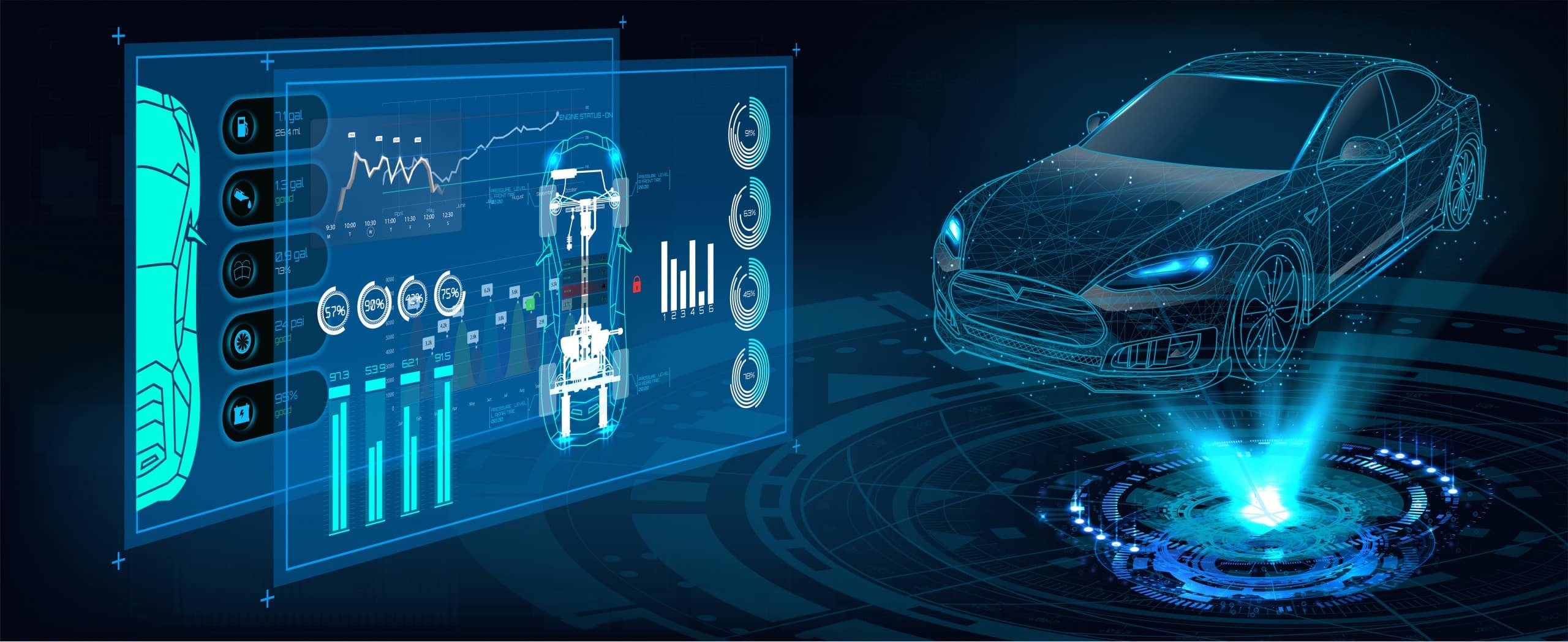
Holographic car model beside a dashboard of fuel, tire pressure and battery data

In the automotive sector, machine learning helps manage connected vehicle fleets: algorithms learn to detect significant events, monitor vehicle conditions in real time to predict failures before they occur, and forecast demand to optimize the distribution of shared vehicles. The result is less downtime, lower repair costs, shorter waiting times for users and more efficient operations.

Machine Learning for Smart Industry

· 2 min read
Gianmaria Meriano
Mative CEO & Founder
Circuit brain surrounded by icons for data, analytics, cloud, networks and automation

In smart industry, machine learning analyzes data from IoT sensors and production processes to predict maintenance needs and failure risks, optimize logistics and supply chains, automate industrial processes and make quality control more rigorous and immediate. Instead of relying on periodic maintenance, companies prevent sudden failures and production stops, and by combining machine learning with Digital Twins they can test products and services efficiently while reducing errors.

Routes optimizations

· 5 min read
Gianmaria Meriano
Mative CEO & Founder
AI head on a city map linking routes to transport, traffic and weather icons

AI route optimization uses artificial intelligence algorithms to analyze data such as traffic patterns, vehicle capacities and delivery schedules and plan the most efficient routes. Delivery services, public transport agencies, fleet operators and field service teams use it to cut travel time and fuel costs, make better use of their resources and improve customer satisfaction.