Gianmaria Meriano
Mative CEO & Founder

Founder and CEO of Mative. A mechanical designer in Bologna, then a software developer and cloud architect in healthcare, after twelve years of work with new technologies he designed a cloud-connected OBD reader based on ESP32, the start of the Synapsis project, and founded Mative.

View all authors

Big Data in the Automotive Industry

· 2 min read

Gianmaria Meriano
Mative CEO & Founder
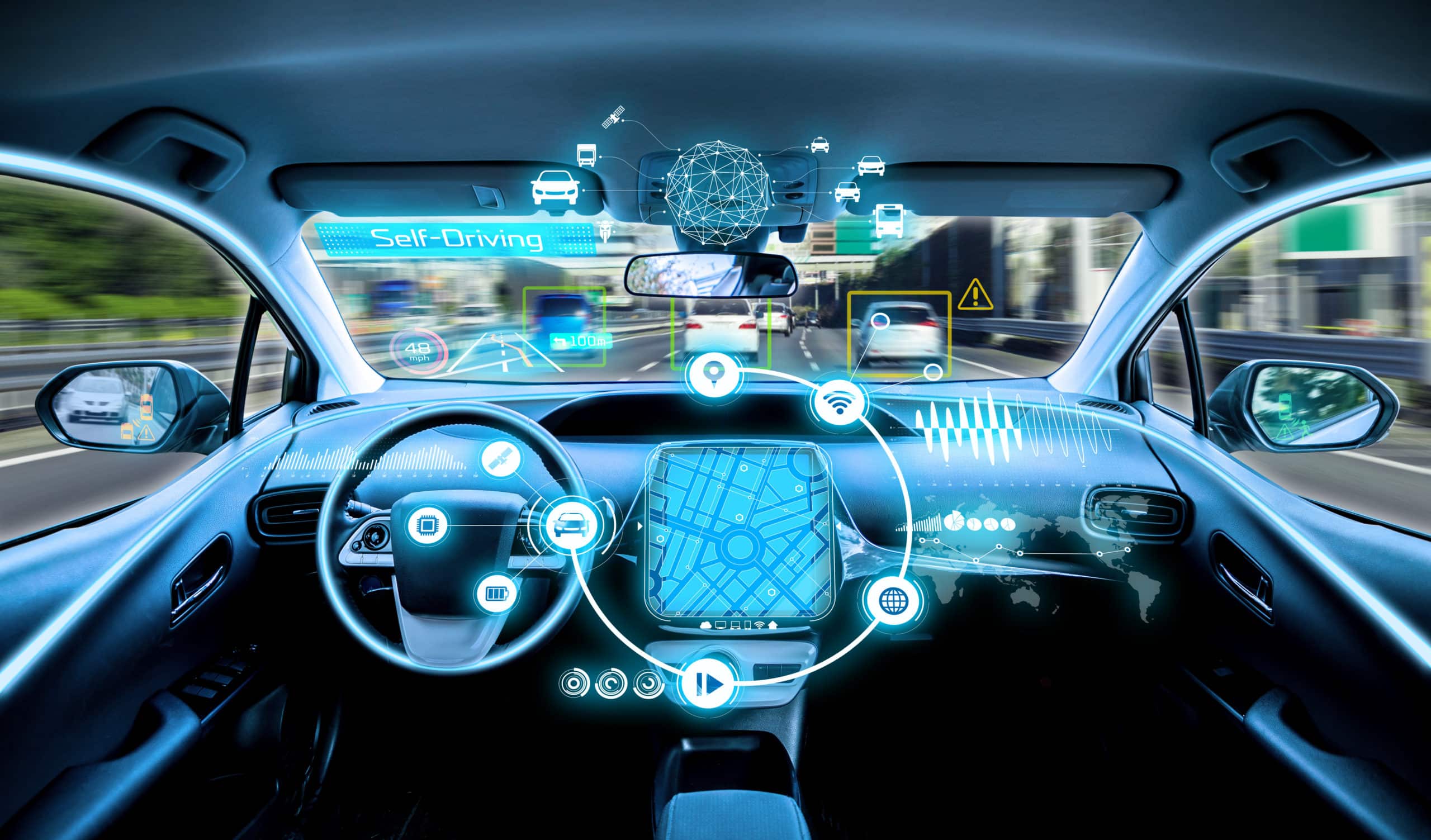
Self-driving car cockpit with a head-up display of connected vehicle data and navigation

Big data in the automotive industry means managing the huge data flows of connected and autonomous vehicles: Gartner estimated that by 2025 manufacturers would collect 1 GB of data a month from connected vehicles, while SAE Level 3-5 autonomous vehicles generate 1 TB every hour. Mative already processes tens of gigabytes of real-time data every day, with solutions that collect, analyze and leverage connected vehicle data for rapid decisions and innovative mobility services.
Big Data in the Era of Smart Industry

· 2 min read
Gianmaria Meriano
Mative CEO & Founder
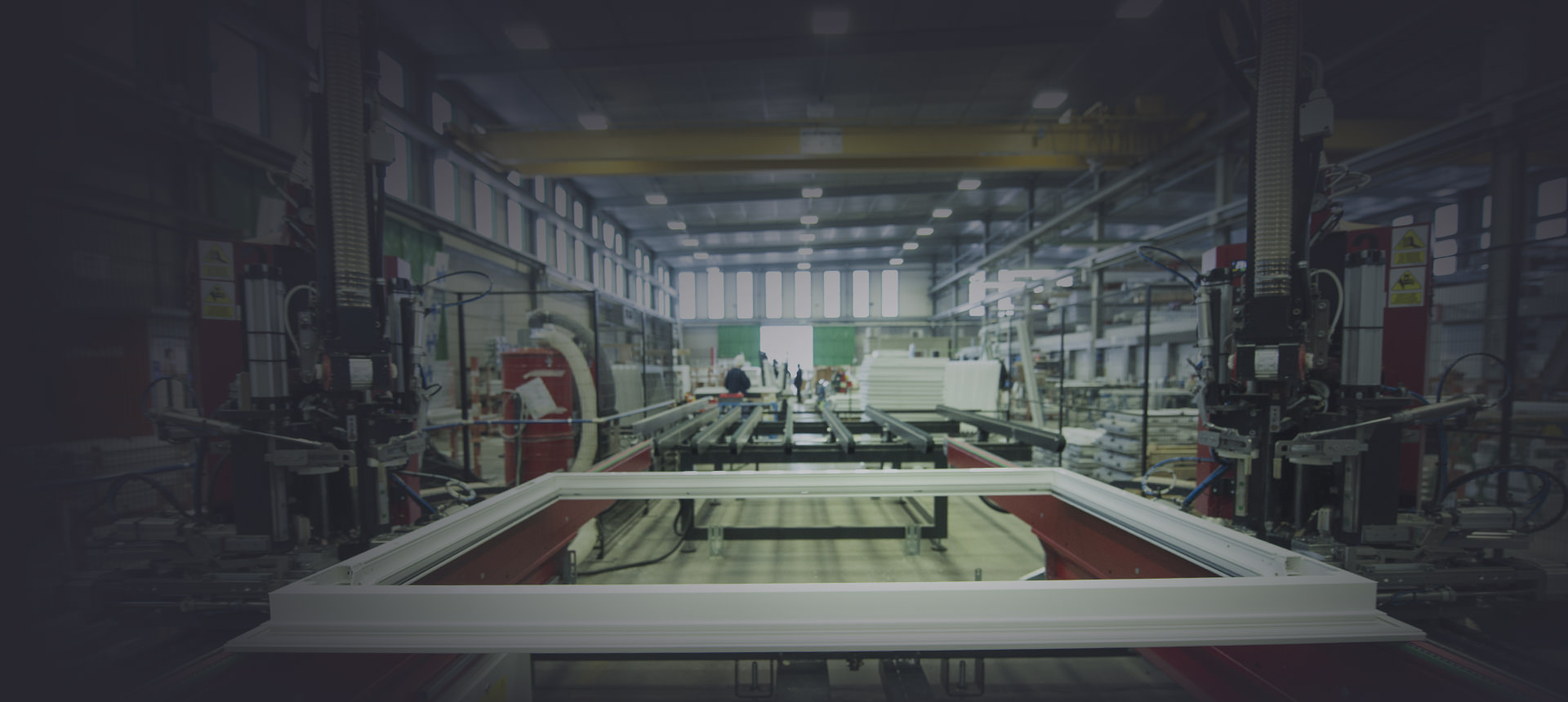
Automated production line assembling a white window frame in a factory

In Smart Industry, big data is the vast, real-time flow of data that connected machines generate along the entire production chain, estimated at several terabytes per hour, with information on equipment performance, product quality and plant status. The real challenge is managing and analyzing it: Mative handles this flow with robust, scalable systems that process, store and analyze information in real time, and its Synapsis ML algorithms turn the data into predictive, optimized decisions.

Smart City: turning traffic into clean energy

· 4 min read
Gianmaria Meriano
Mative CEO & Founder
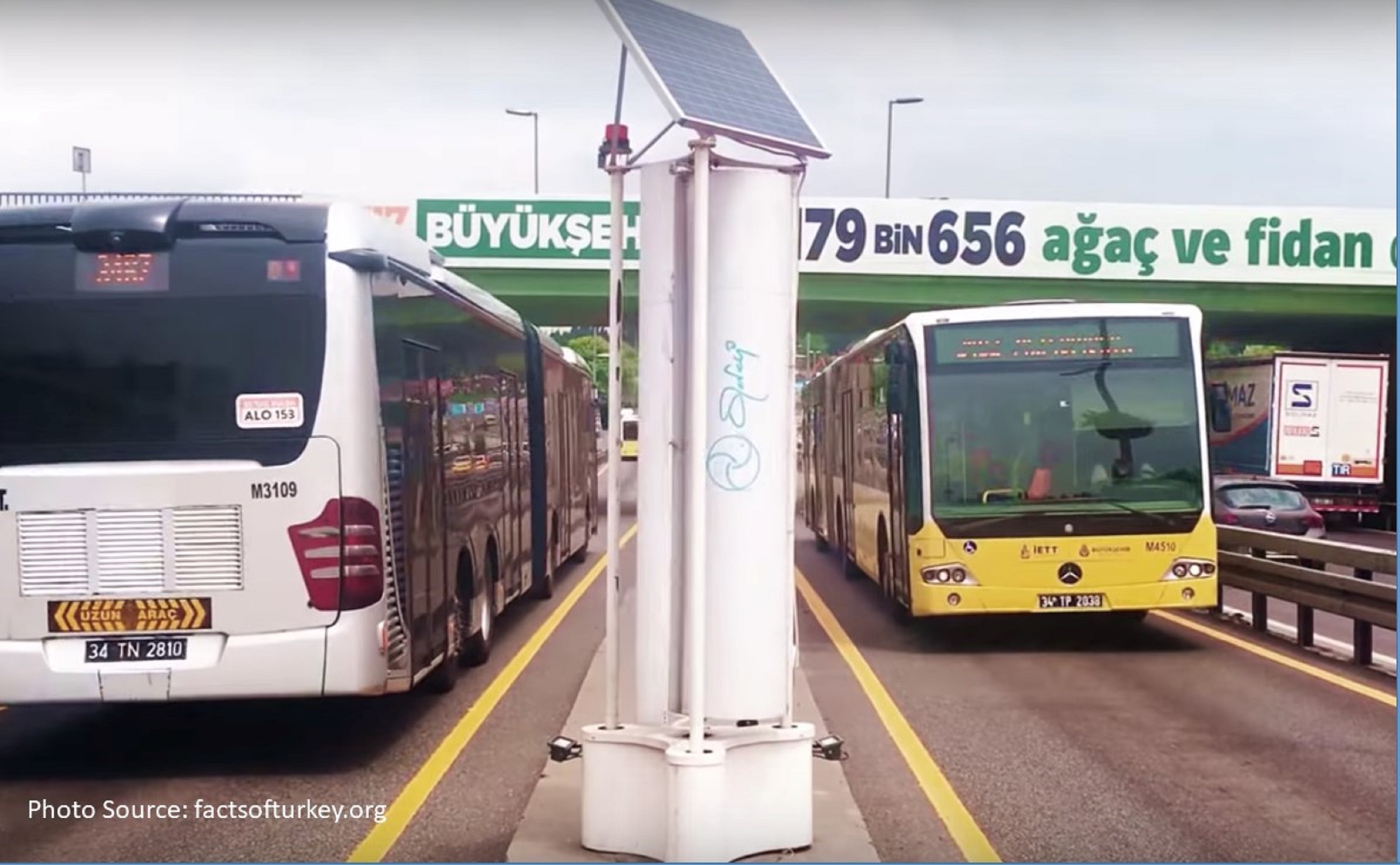
ENLIL vertical wind turbine with a solar panel between two bus lanes in Istanbul

In Istanbul, ENLIL's vertical wind turbines placed next to the roads turn the breeze produced by passing traffic into clean energy: a single turbine topped with a solar panel can produce enough electricity to power two Turkish households for a day. The turbines also carry IoT sensors that track temperature, humidity, carbon footprint and earthquake activity, and pass the data on to the city's authorities and environmental scientists.

IoT & ML: Energy and economic benefits in an Agricultural Company

· 5 min read
Gianmaria Meriano
Mative CEO & Founder
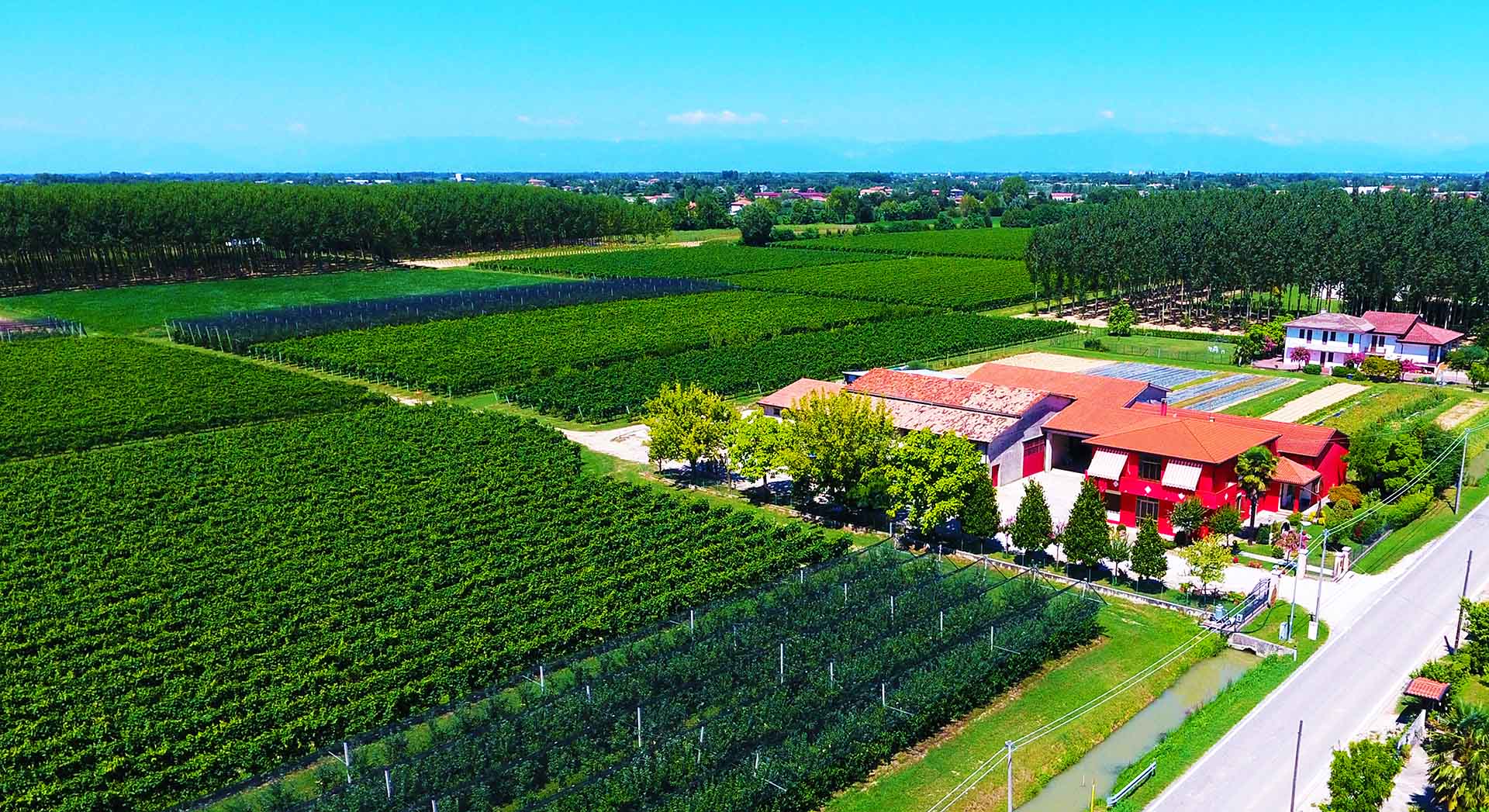
Aerial view of a farm with vineyards, orchards under hail nets and red farm buildings

IoT and machine learning help an agricultural company save water, energy and money: soil moisture sensors allow irrigation only when needed, temperature and humidity sensors cut unnecessary heating and ventilation, and ML models support weather forecasting, crop management and production planning. For a medium-sized agricultural company, Mative's forecast analysis after one year points to 30% less water consumption, 25% lower energy costs, 20% more production and 15% savings in operating costs.

IoT & ML: Energy and economic benefits in a Construction Company

· 5 min read
Gianmaria Meriano
Mative CEO & Founder
Building plans, calculator, caliper, tape measure and hard hats on a construction site table

IoT and machine learning bring energy and economic savings to a construction company by monitoring machinery consumption, site climate and construction processes in real time, predicting equipment failures and improving the planning of resources, projects and supply chain. For a construction company, Mative's forecast analysis one year after adopting its IoT and ML solutions estimates 20% lower energy consumption, 15% lower operating costs, a 10% improvement in project quality and 10% savings on maintenance costs.

IoT & ML: Energy and Economic Benefits in a Door and Frame Manufacturing Company

· 5 min read
Gianmaria Meriano
Mative CEO & Founder
Automated production line assembling a white window frame in a factory

IoT and machine learning bring energy and economic savings to a manufacturing company by monitoring machinery and facilities in real time, enabling predictive maintenance and optimizing production schedules and processes. For a window, door and frame manufacturer, Mative's forecast analysis one year after adopting its IoT and ML solutions estimates 20% lower energy consumption, 15% lower operating costs, 25% higher production efficiency and 10% savings on maintenance costs.

IoT & ML: Energy and Economic Benefits in a Public Transport Company

· 5 min read
Gianmaria Meriano
Mative CEO & Founder
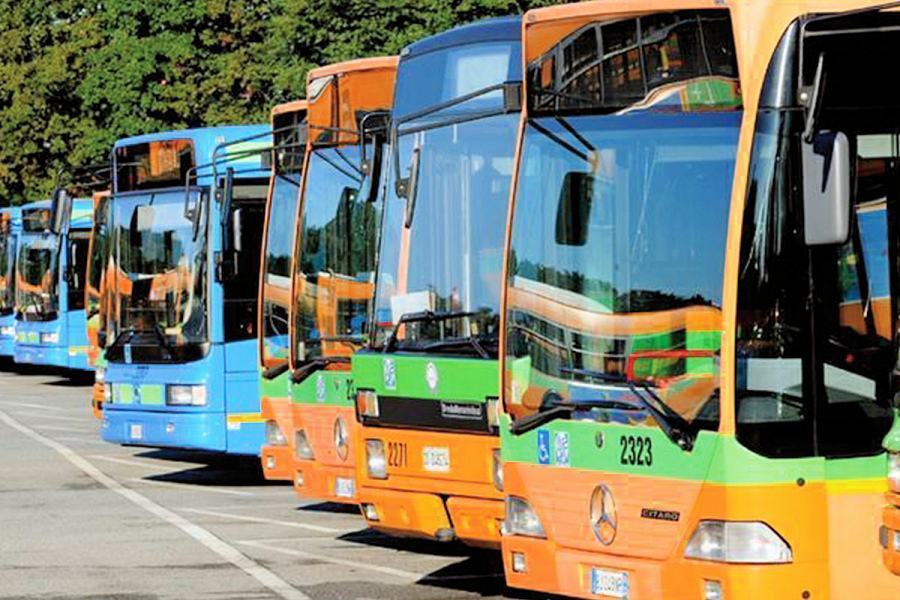
Row of parked orange and blue city buses in a public transport depot

In a public transport company, IoT sensors monitor fuel consumption, vehicle conditions, traffic and routes, and Machine Learning analyzes these data to forecast consumption, optimize routes and schedule maintenance. Mative's forecast for a company adopting its IoT and ML solutions estimates, after one year, 15% less fuel consumption, 20% lower operating costs, 25% better service punctuality and 10% savings on maintenance costs.

CAN Bus explained: how it works, CAN frames and how to decode the data

· 16 min read
Gianmaria Meriano
Mative CEO & Founder
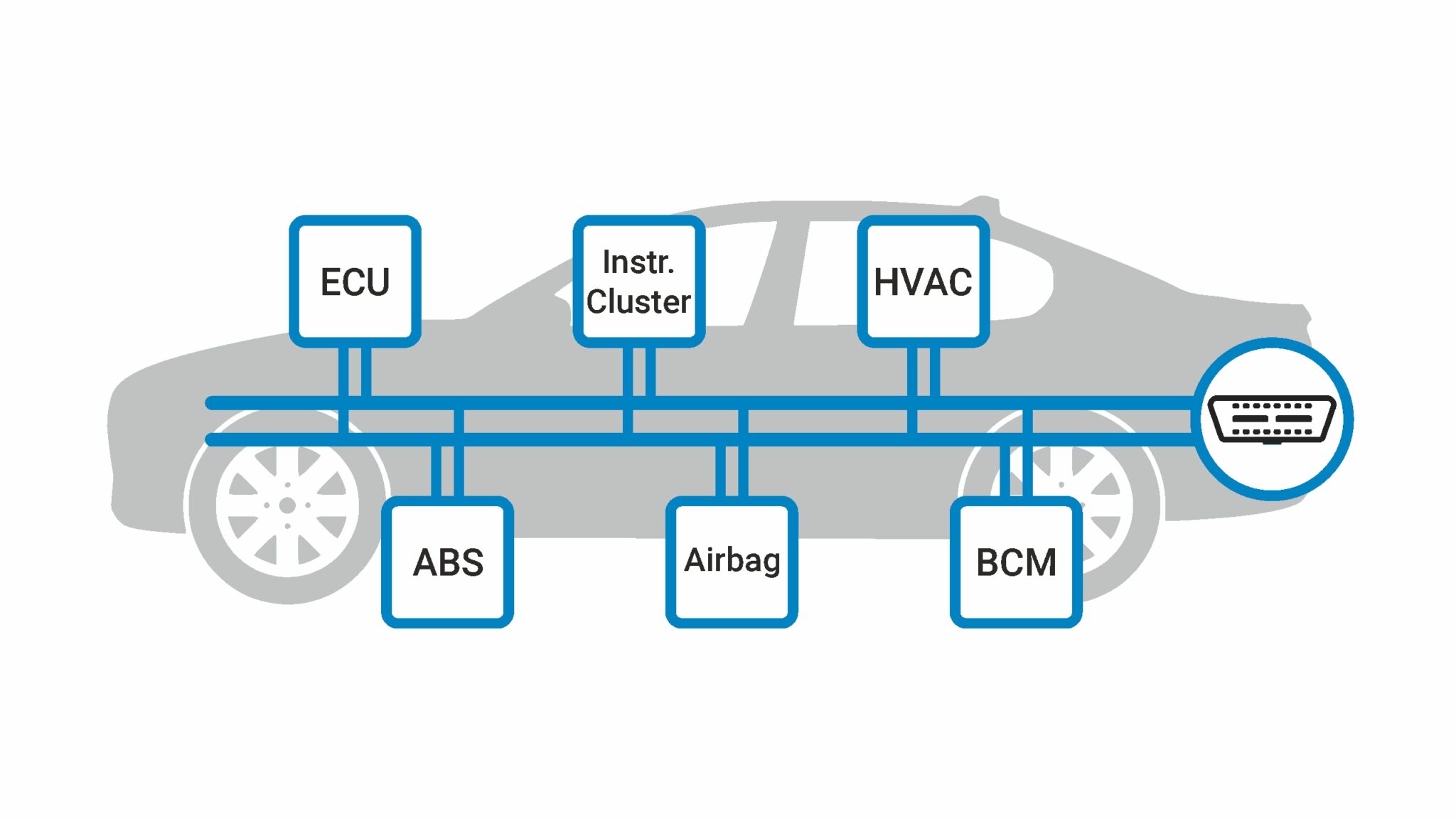
Car CAN bus linking ECU, ABS, airbag and other control units to the OBD port

The CAN bus is a two-wire network (CAN low and CAN high) that lets every electronic control unit (ECU) of a vehicle or machine communicate with all the others, without complex dedicated wiring. Data travels in CAN frames, each with a CAN ID and a data payload: to use it you connect a CAN logger (in most cars through the OBD2 port) and decode the raw frames into physical values such as km/h or °C.

Machine Learning: Predictive Algorithms

· 4 min read
Gianmaria Meriano
Mative CEO & Founder
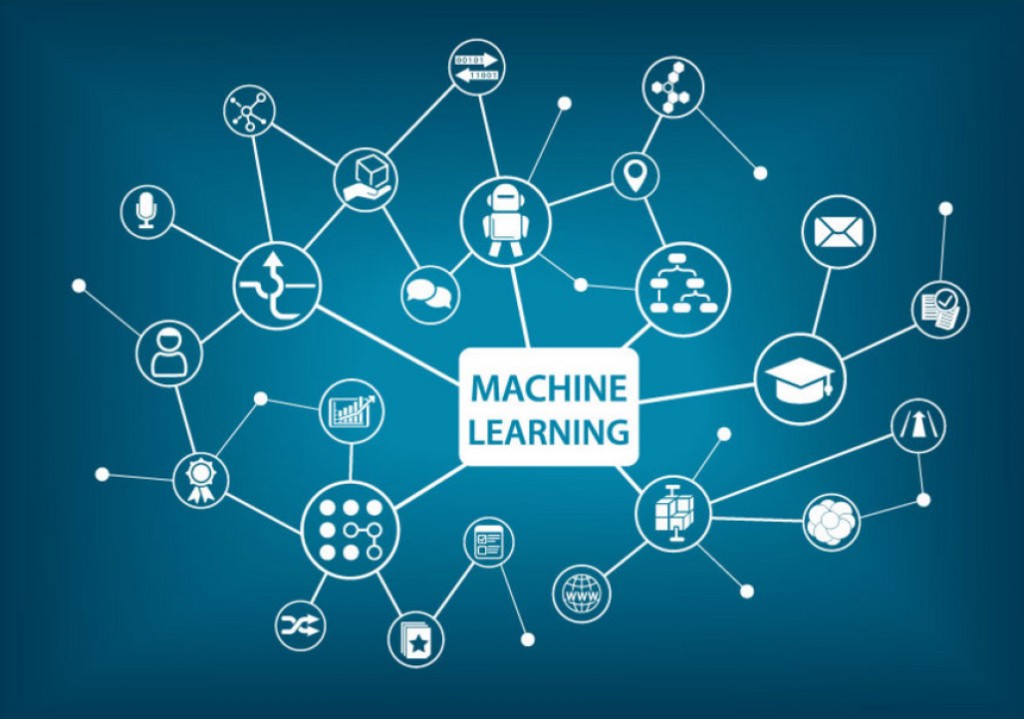
Machine learning concept map linking icons for data, charts, robots and decision trees

Predictive algorithms are machine learning methods that estimate values from existing data, and Mative applies four of them to its time series. Linear regression and its OLS form model the relationship between a target variable and its predictors, ARIMA predicts future values from past values and past errors, and the Fourier transform reveals cycles and periodic patterns in a signal.

Agriculture: monitoring system

· 4 min read
Gianmaria Meriano
Mative CEO & Founder
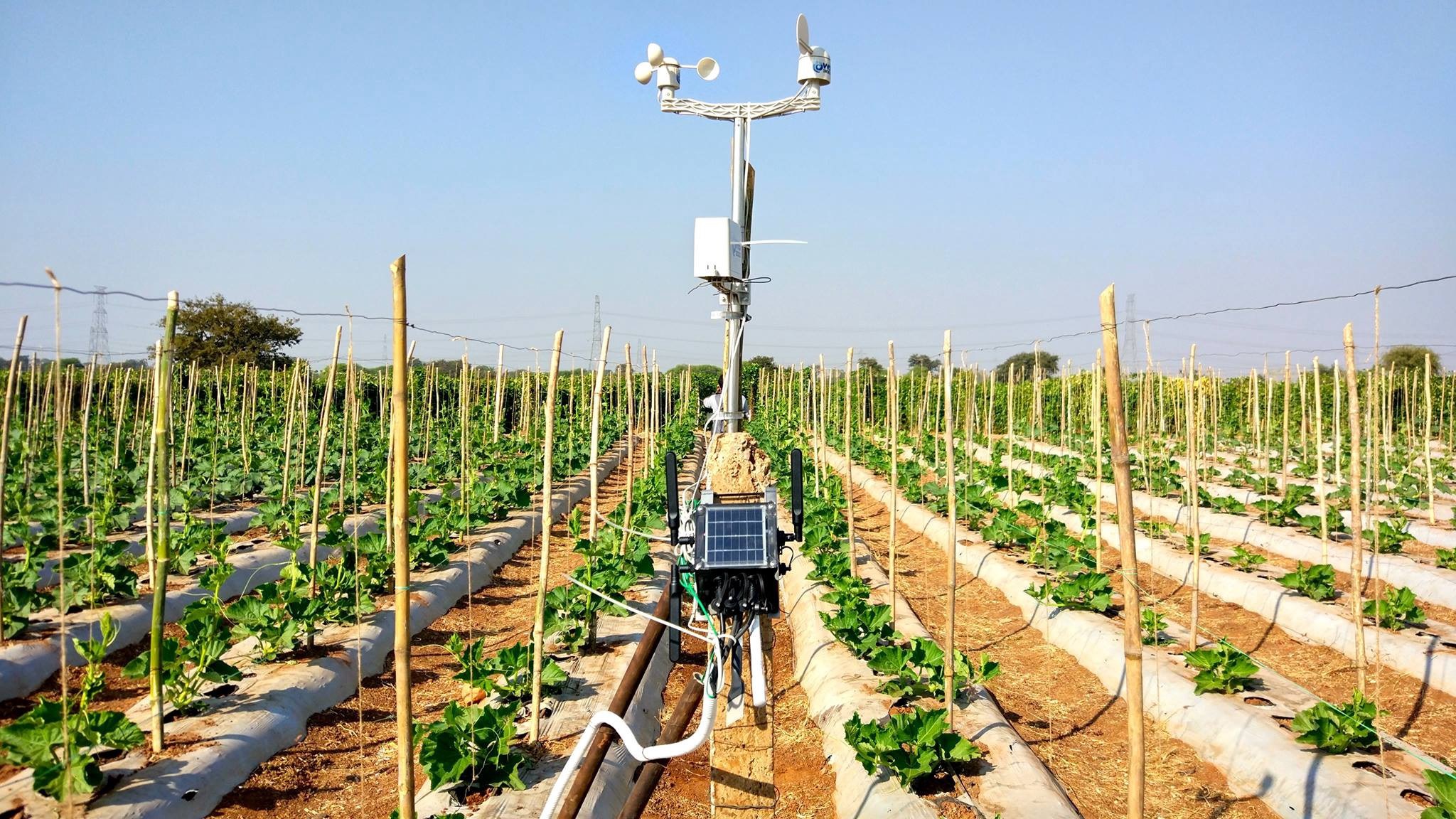
Solar-powered weather station with an IoT sensor unit installed between rows of crops

Warning systems in agriculture monitor environmental conditions, plant diseases, pests and adverse weather, and alert farmers in time to make informed decisions, improve productivity and reduce losses. They are typically built on weather data APIs such as OpenWeatherMap, machine learning models that predict the spread of plant diseases, and Agricultural Decision Support Systems (ADSS) that turn field data into recommendations.