Overcoming Challenges in the Metalworking Industry with Industrial IoT

· 7 min read

Gianmaria Meriano
Mative CEO & Founder
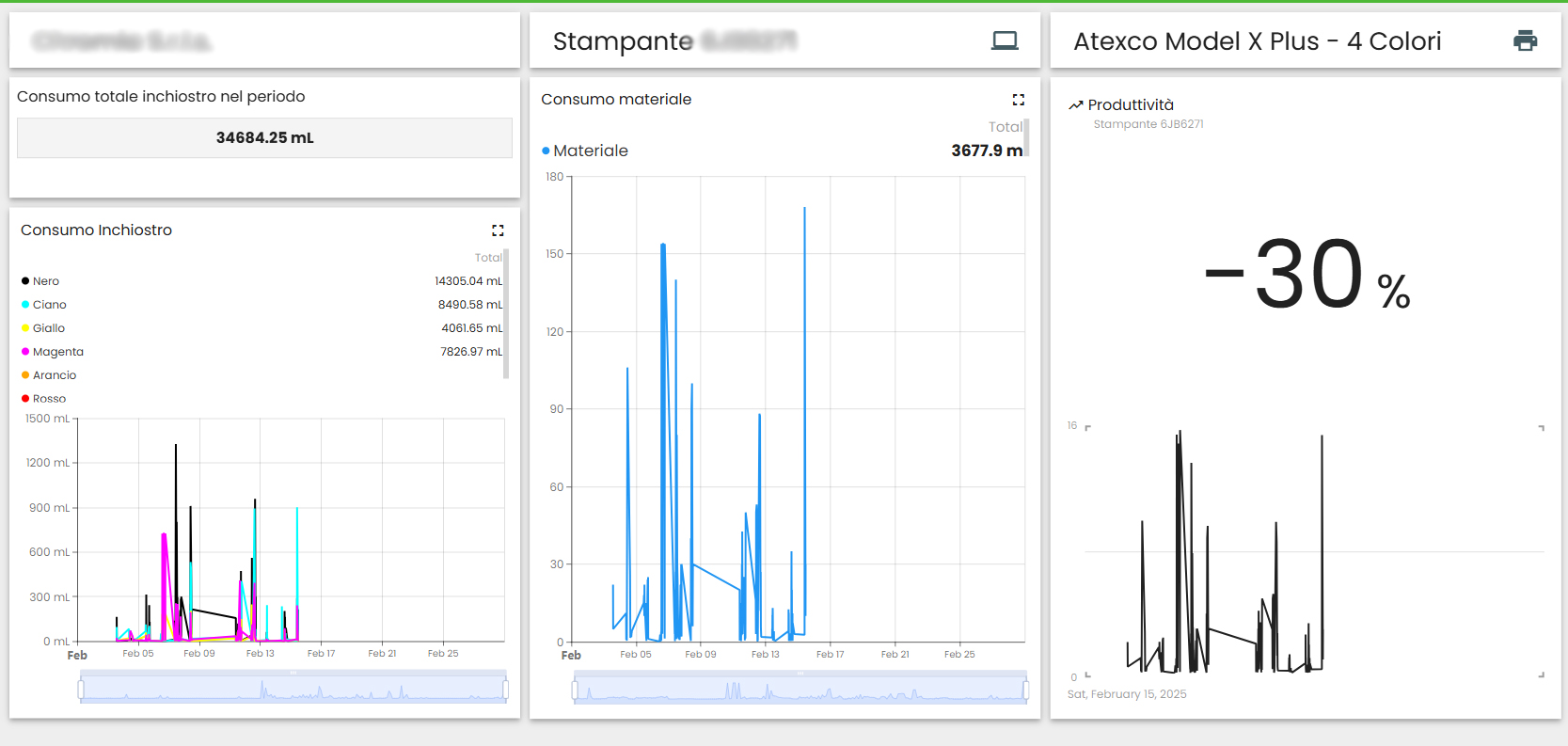
Custom Mative dashboard with ink consumption, material usage and productivity of an Atexco printer

Industrial IoT helps metalworking SMEs, squeezed by rising energy costs, foreign competition and average operating margins below 10%, by giving them real-time visibility on machine status, production times, process efficiency and energy consumption. With the Mative Cloud and Mative Synapsis Industrial Edge platforms they can find bottlenecks, move to predictive maintenance and cut energy waste: SMEs that took this path report up to 30% less machine downtime and 15-20% higher production efficiency.
Decreto attuativo Transizione 5.0

· 5 min read
Gianmaria Meriano
Mative CEO & Founder
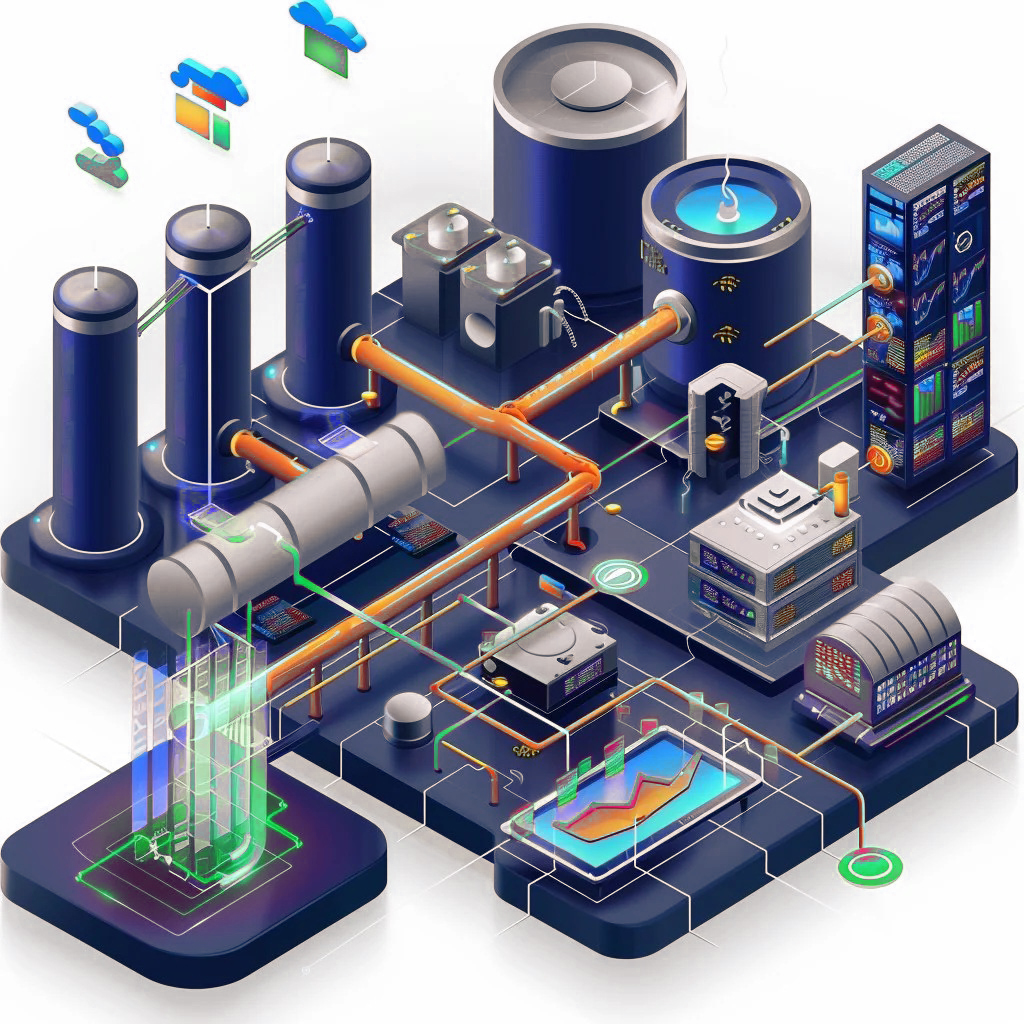
Isometric illustration of a connected industrial plant with tanks, pipes, servers and data charts

The Transizione 5.0 implementing decree gives Italian companies a clear regulatory framework to access tax incentives for innovative and sustainable technologies. It widens the range of certifiers and the exclusions from the general DNSH ban, removes general cumulation with other EU funding and keeps cumulation with nationally funded incentives, except the ZES and Transizione 4.0 tax credits. Mative's Synapsis ML collects and analyzes production and energy data that certifiers can use for the ex ante and ex post certifications.

Industrial IoT and solutions by Mative

· 4 min read
Gianmaria Meriano
Mative CEO & Founder
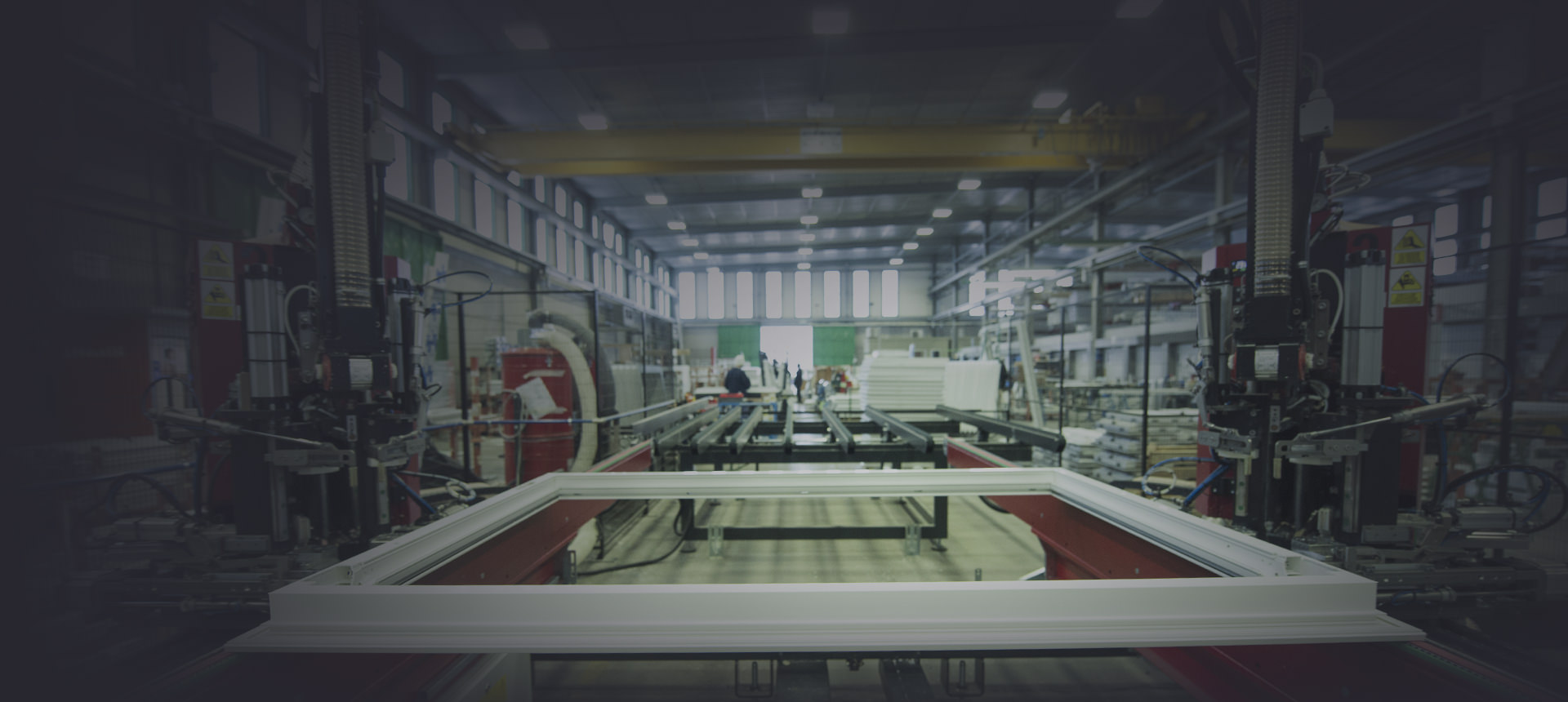
Automated production line assembling a white window frame in a factory

Industrial IoT (IIoT) connects machines, sensors and management systems in a continuous, real-time data flow that companies use to monitor performance, detect imminent failures and reduce downtime. Mative Cloud is Mative's IIoT platform: independent of hardware, it collects and stores device data in the cloud, runs remote commands and over-the-air firmware updates, creates intelligent alerts and integrates PLC plants through protocols such as MQTT, Modbus, OPC UA and CANopen.

AI Inference

· 2 min read
Gianmaria Meriano
Mative CEO & Founder
Glowing processor chip emitting data streams and binary digits, representing AI inference

AI inference is the process through which an artificial intelligence model applies what it has learned during training to make predictions, classifications or decisions based on new input data. Unlike training, which is computationally heavy, takes hours or days and runs in data centers, inference is lighter, takes milliseconds and runs in the cloud or on edge devices such as smartphones and IoT sensors.

Differences between AI, ML, LLM, and Generative AI

· 6 min read
Gianmaria Meriano
Mative CEO & Founder
Human head in profile with a circuit-board brain, symbolizing artificial intelligence

Artificial intelligence (AI) is the broadest field: any technology that lets machines simulate human intelligence. Machine learning (ML) is a subset of AI in which algorithms learn from data without being explicitly programmed, large language models (LLMs) are AI models trained on huge amounts of text to understand and generate natural language, and generative AI is the branch of AI that creates original content such as text, images, music or video.

Guide to Industry 4.0 Bonuses

· 5 min read
Gianmaria Meriano
Mative CEO & Founder
Automated production line assembling a white window frame in a factory

Industry 4.0 bonuses are tax credits for companies resident in Italy that invest in new 4.0 material assets (Annex A of Law 232/2016) and in related intangible assets such as software, platforms and cloud computing services (Annex B). For investments until December 31, 2025, material assets earn 20% of the cost up to 2.5 million, 10% from 2.5 to 10 million and 5% from 10 to 20 million, while related intangible assets earn 10%. The deadline moves to June 30, 2026 if by December 31, 2025 the order is accepted and a 20% deposit has been paid.

Autonomous tractors on market

· 9 min read
Gianmaria Meriano
Mative CEO & Founder
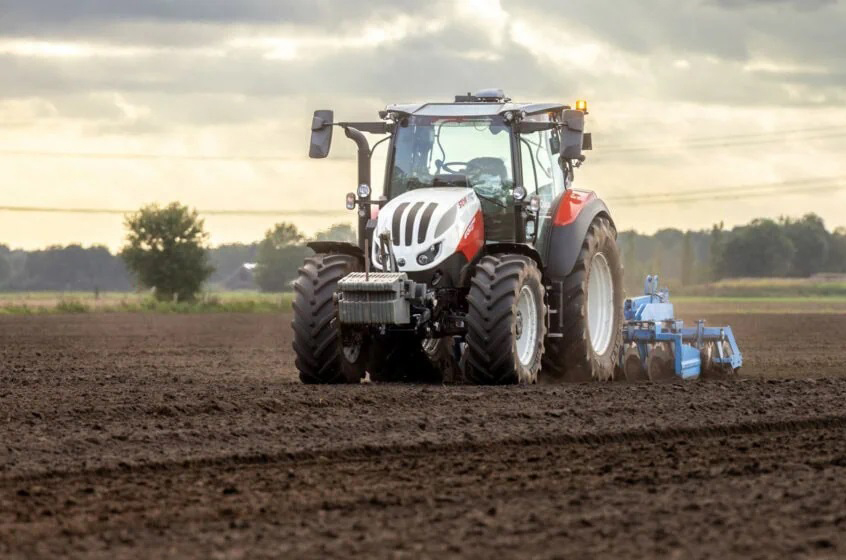
Tractor with a cab pulling a cultivator across a freshly ploughed field

Only a handful of tractors are available ex-factory as autonomy-ready: Japanese manufacturers Kubota and Yanmar were the first to offer autonomous tractors commercially in Japan, followed by Monarch Tractor and John Deere. Most other manufacturers are developing driver-optional models, and most autonomous tractors and prototypes still have a cab, so they can be used as usual and driven between fields on public roads.

Big Data in the Automotive Industry

· 2 min read
Gianmaria Meriano
Mative CEO & Founder
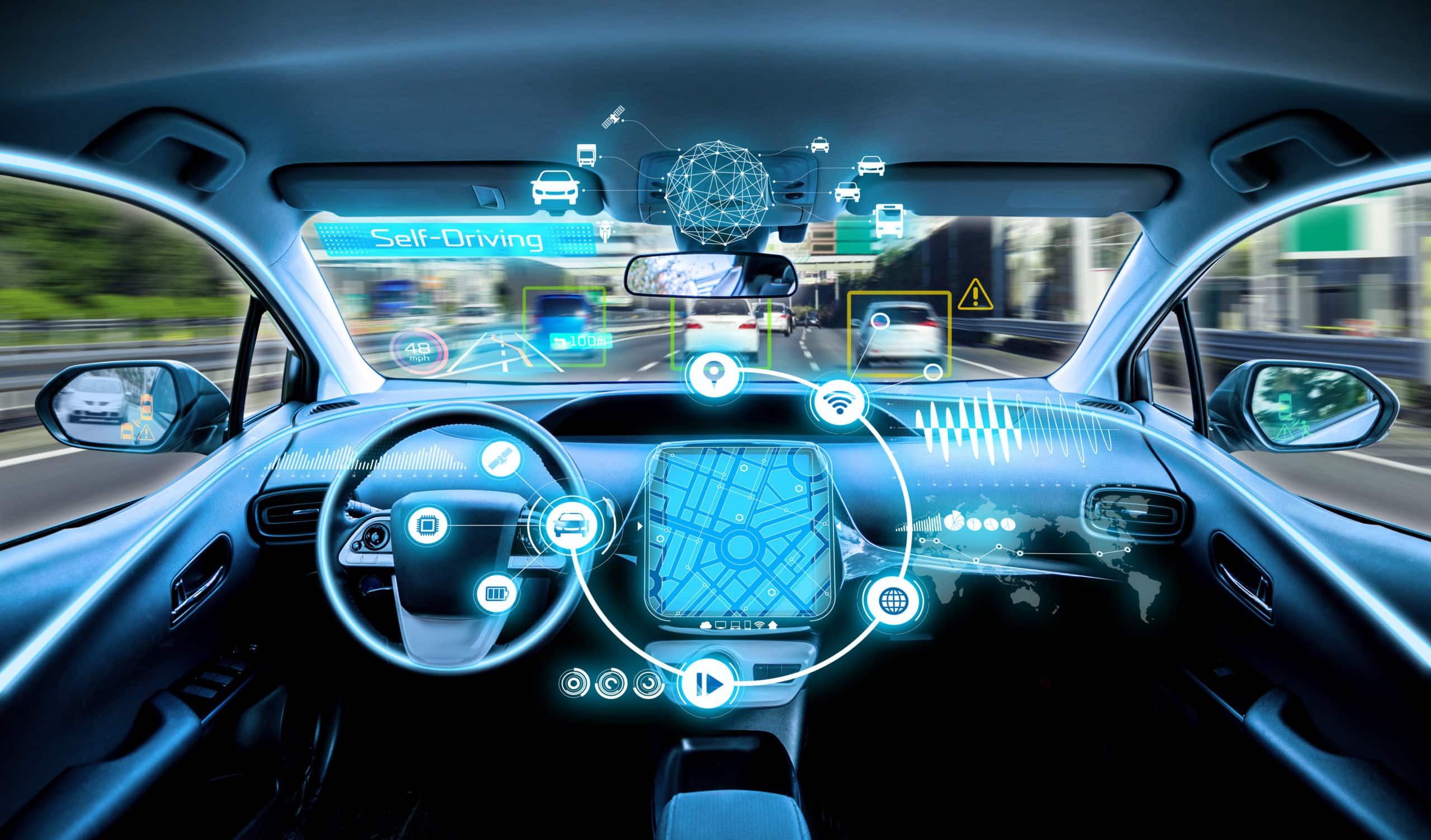
Self-driving car cockpit with a head-up display of connected vehicle data and navigation

Big data in the automotive industry means managing the huge data flows of connected and autonomous vehicles: Gartner estimated that by 2025 manufacturers would collect 1 GB of data a month from connected vehicles, while SAE Level 3-5 autonomous vehicles generate 1 TB every hour. Mative already processes tens of gigabytes of real-time data every day, with solutions that collect, analyze and leverage connected vehicle data for rapid decisions and innovative mobility services.

Big Data in the Era of Smart Industry

· 2 min read
Gianmaria Meriano
Mative CEO & Founder
Automated production line assembling a white window frame in a factory

In Smart Industry, big data is the vast, real-time flow of data that connected machines generate along the entire production chain, estimated at several terabytes per hour, with information on equipment performance, product quality and plant status. The real challenge is managing and analyzing it: Mative handles this flow with robust, scalable systems that process, store and analyze information in real time, and its Synapsis ML algorithms turn the data into predictive, optimized decisions.

Smart City: turning traffic into clean energy

· 4 min read
Gianmaria Meriano
Mative CEO & Founder
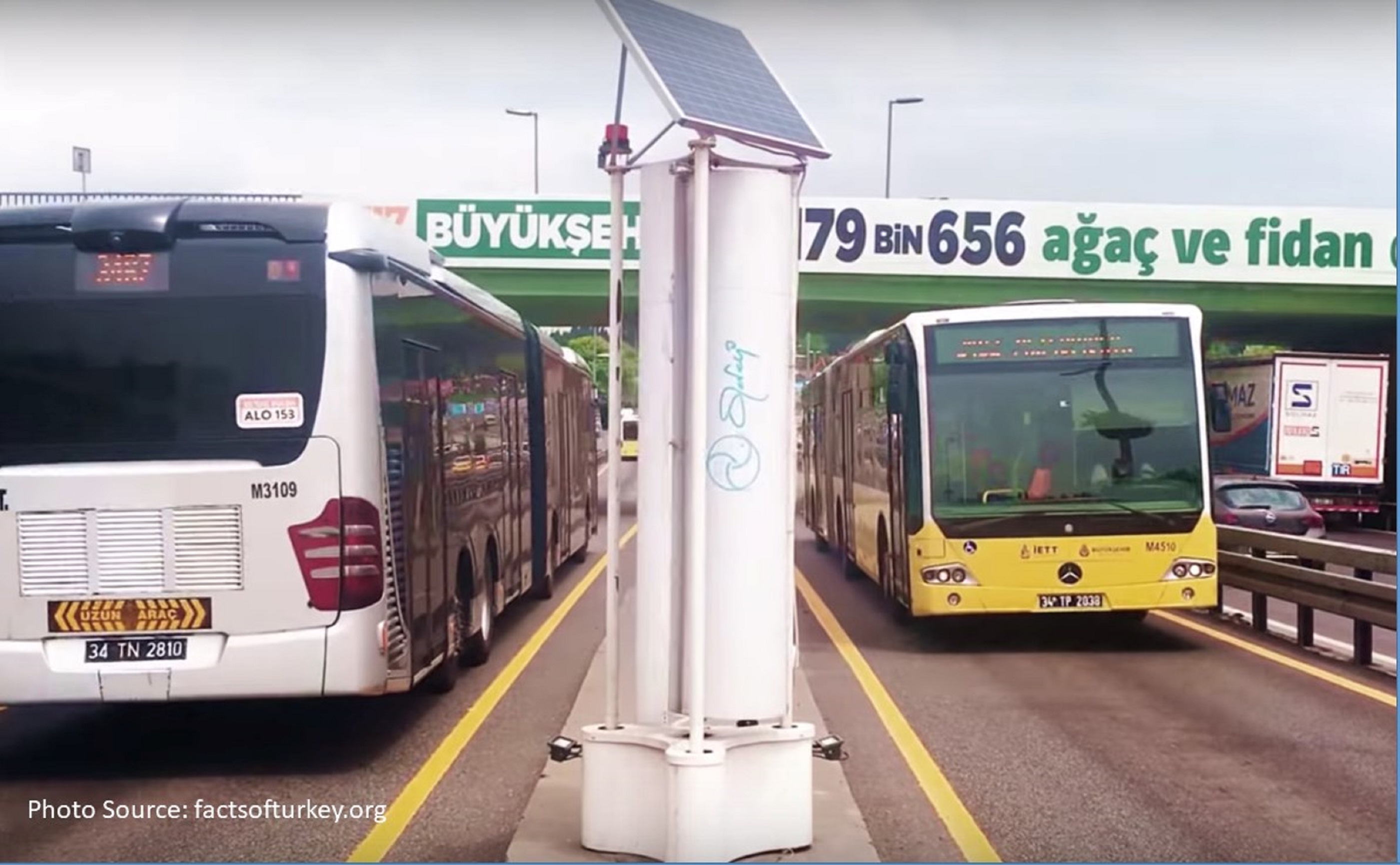
ENLIL vertical wind turbine with a solar panel between two bus lanes in Istanbul

In Istanbul, ENLIL's vertical wind turbines placed next to the roads turn the breeze produced by passing traffic into clean energy: a single turbine topped with a solar panel can produce enough electricity to power two Turkish households for a day. The turbines also carry IoT sensors that track temperature, humidity, carbon footprint and earthquake activity, and pass the data on to the city's authorities and environmental scientists.