17 posts tagged with "IoT"

Articles on the Internet of Things: connected devices, sensors and platforms that collect and use data from machines, vehicles and infrastructure.

View All Tags

IoT & ML: Energy and Economic Benefits in a Door and Frame Manufacturing Company

· 5 min read

Gianmaria Meriano
Mative CEO & Founder
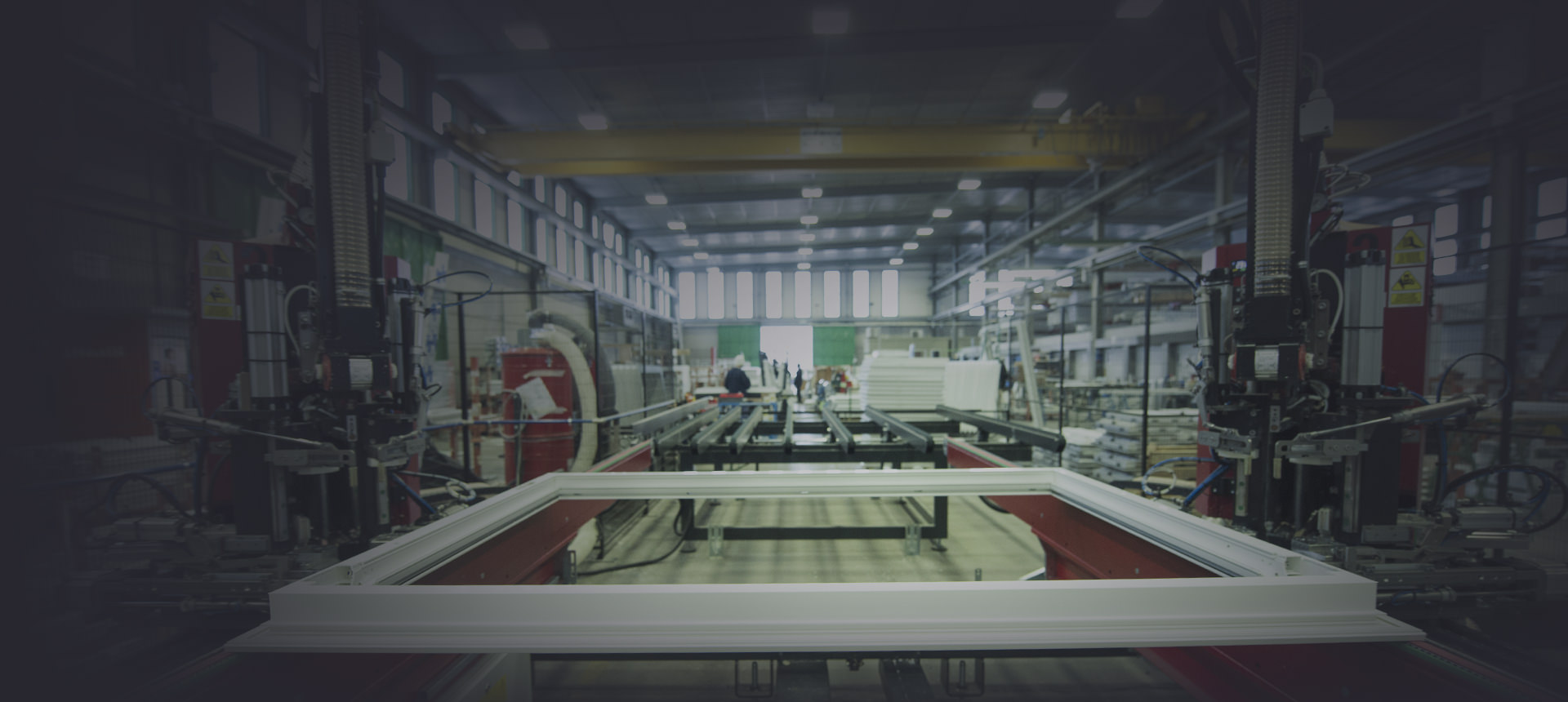
Automated production line assembling a white window frame in a factory

IoT and machine learning bring energy and economic savings to a manufacturing company by monitoring machinery and facilities in real time, enabling predictive maintenance and optimizing production schedules and processes. For a window, door and frame manufacturer, Mative's forecast analysis one year after adopting its IoT and ML solutions estimates 20% lower energy consumption, 15% lower operating costs, 25% higher production efficiency and 10% savings on maintenance costs.
IoT & ML: Energy and Economic Benefits in a Public Transport Company

· 5 min read
Gianmaria Meriano
Mative CEO & Founder
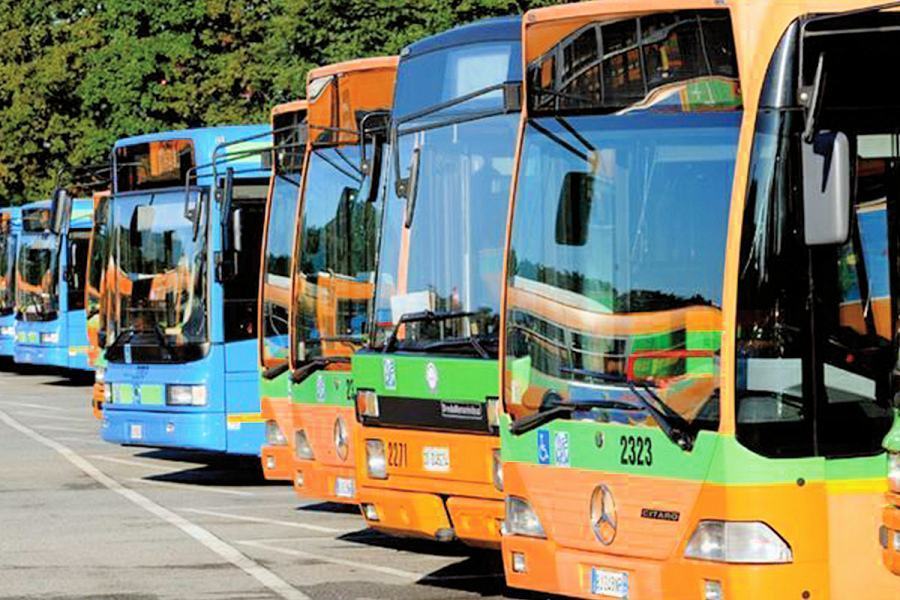
Row of parked orange and blue city buses in a public transport depot

In a public transport company, IoT sensors monitor fuel consumption, vehicle conditions, traffic and routes, and Machine Learning analyzes these data to forecast consumption, optimize routes and schedule maintenance. Mative's forecast for a company adopting its IoT and ML solutions estimates, after one year, 15% less fuel consumption, 20% lower operating costs, 25% better service punctuality and 10% savings on maintenance costs.
Agriculture: monitoring system

· 4 min read
Gianmaria Meriano
Mative CEO & Founder
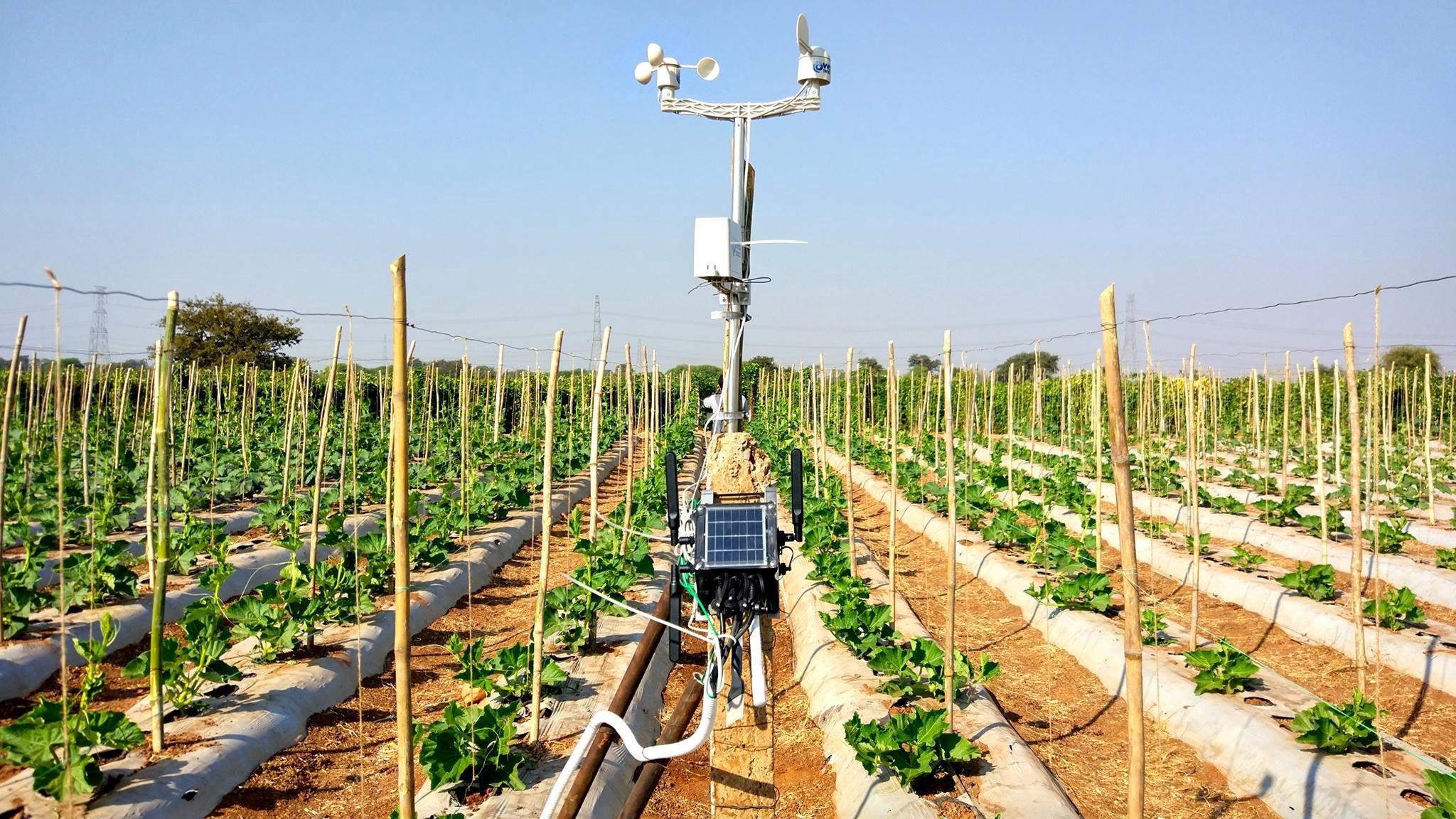
Solar-powered weather station with an IoT sensor unit installed between rows of crops

Warning systems in agriculture monitor environmental conditions, plant diseases, pests and adverse weather, and alert farmers in time to make informed decisions, improve productivity and reduce losses. They are typically built on weather data APIs such as OpenWeatherMap, machine learning models that predict the spread of plant diseases, and Agricultural Decision Support Systems (ADSS) that turn field data into recommendations.

Agriculture: Smart Farming

· 5 min read
Gianmaria Meriano
Mative CEO & Founder
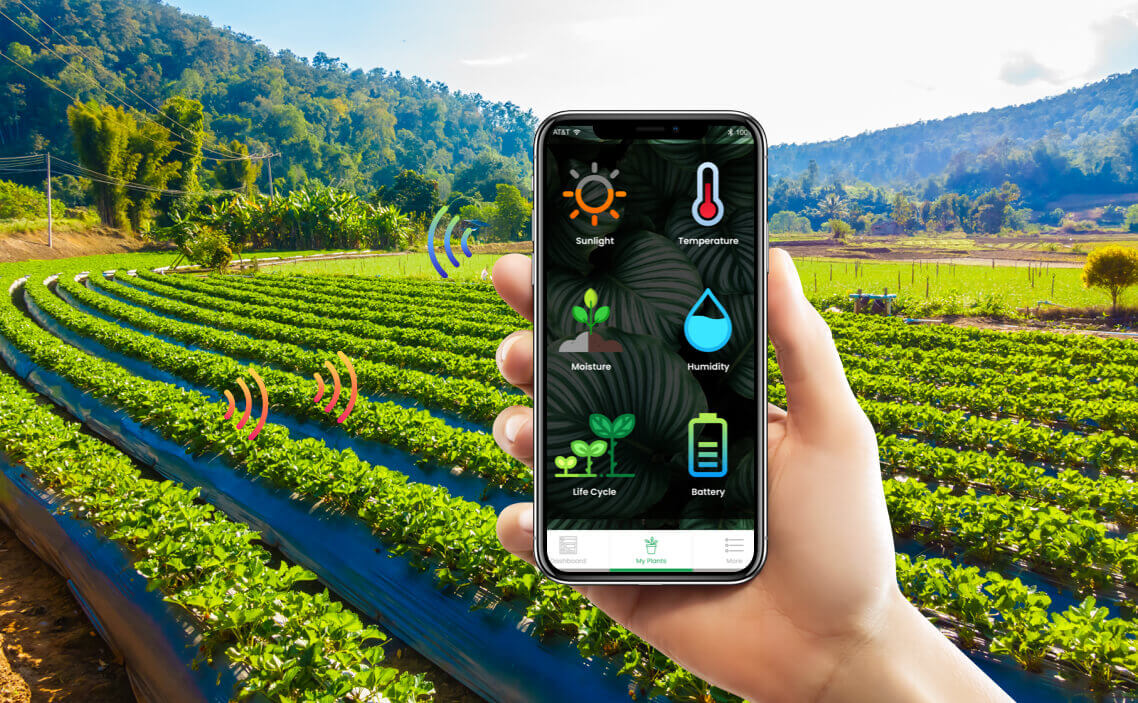
Smartphone app showing sunlight, temperature and humidity readings over a strawberry field

Smart farming uses software, IoT sensors and data analytics to optimize farming practices, improve productivity, reduce costs and mitigate environmental impacts. Software collects and analyzes real-time data from sensors and machinery to manage farm data, monitor crop conditions, optimize the use of water, fertilizers and pesticides, and forecast yields and plant diseases.

Keyless Systems

· 4 min read
Gianmaria Meriano
Mative CEO & Founder
Smartphone app with lock and unlock buttons held next to a parked car

Keyless systems let users enter buildings, vehicles and other assets without physical keys, authenticating them with technologies such as biometrics, RFID and mobile apps. This article looks at three examples: Kisi, cloud-based access control for offices; Openpath, hands-free access with mobile credentials and Bluetooth; and August Smart Lock, keyless entry for homes.

MQTT Advanced

· 7 min read
Gianmaria Meriano
Mative CEO & Founder
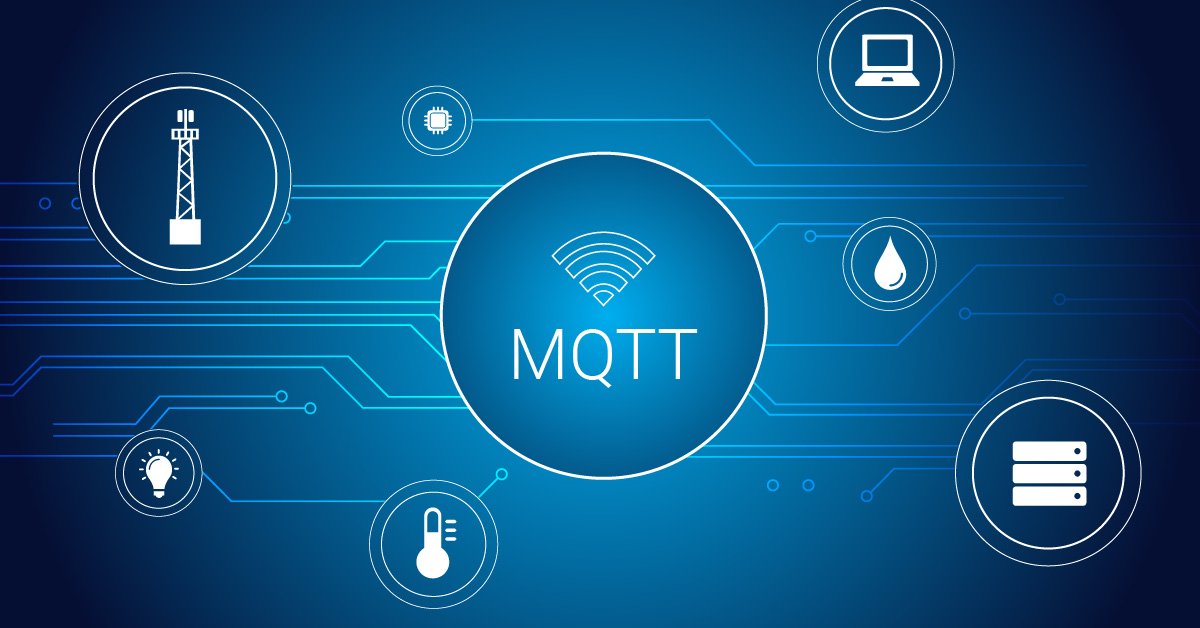
MQTT protocol linking IoT sensors, a cell tower, a laptop and a server

MQTT is a lightweight, binary, data-centric publish/subscribe protocol: unlike HTTP, AMQP or REST, it pushes messages over persistent TCP connections with minimal packet overhead. This article compares MQTT with those protocols and explains its advanced features, from Clean Start, Keep Alive and Last Will to QoS levels, retained messages, shared subscriptions and topic aliases.

MQTT Basics

· 5 min read
Gianmaria Meriano
Mative CEO & Founder
MQTT protocol linking IoT sensors, a cell tower, a laptop and a server

MQTT is a lightweight publish/subscribe messaging protocol for the Internet of Things: clients publish messages on topics, and a central broker filters them and pushes them to the clients subscribed to those topics. It needs minimal bandwidth, copes with unreliable networks and is easy to implement, which makes it a leading choice for machine-to-machine (M2M) communication between constrained devices and server applications.